|
Granger Music Hall
1615 East 4th Street, National City
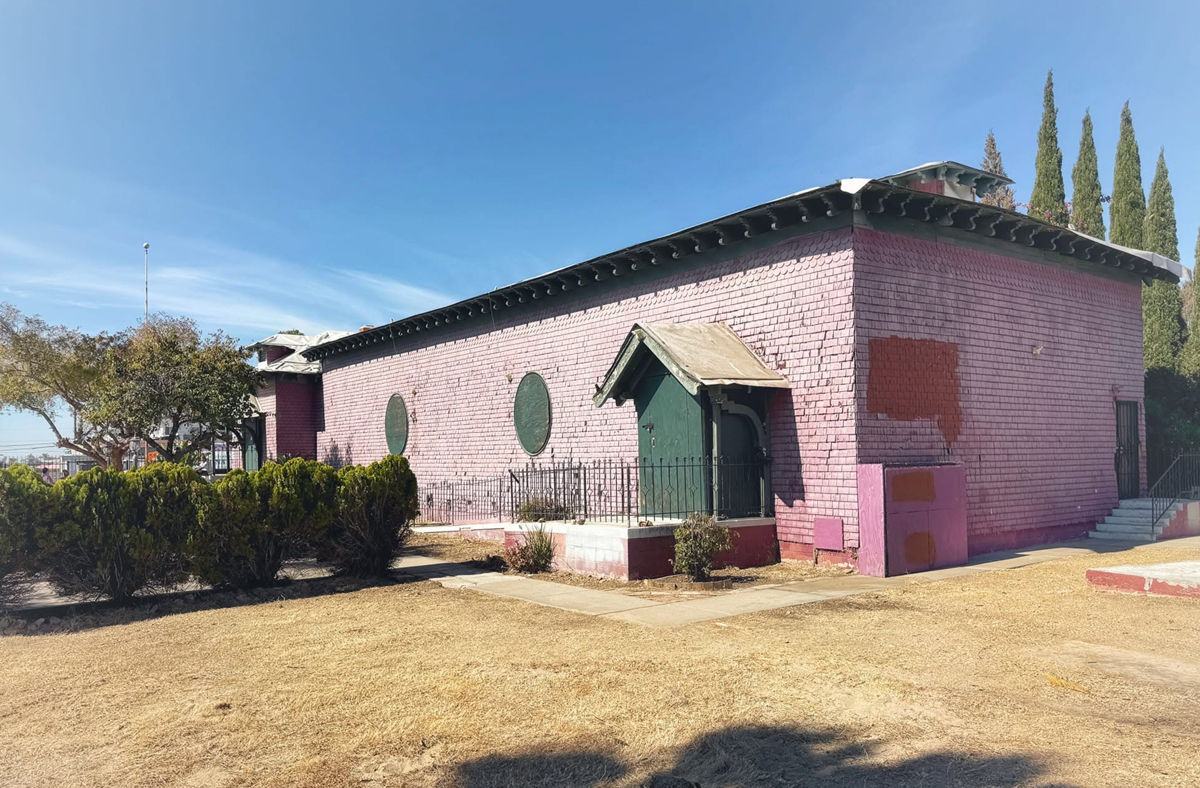
Granger Music Hall is one of the rarest surviving works of San Diego's pioneering architect Irving J. Gill and one of the region's most laudable historic music spaces.
Built in 1898 for Colorado silver magnate Ralph Granger at his National City estate, the hall housed his violin collection and provided an intimate setting for private concerts. Gill, then a young architect, possessed an understanding of acoustics that would become one of his hallmarks. The result was a remarkably intimate music room, which Granger later expanded into an 80-by-30-foot auditorium.
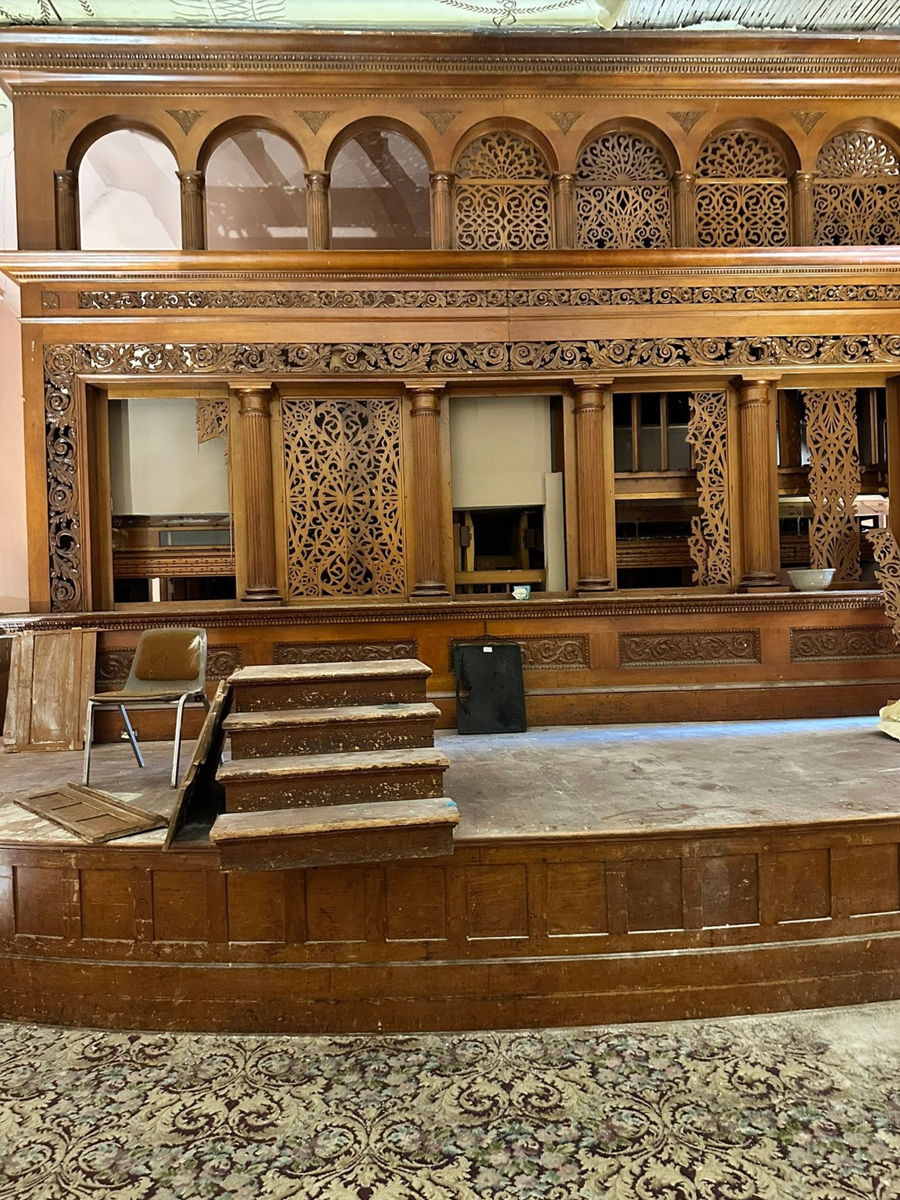
Its interior was equally extraordinary. A 75-foot ceiling mural depicting Euterpe, the Greek muse of music, with fifteen winged cherubs playing different musical instruments, once stretched across the auditorium, while a massive pipe organ built by Murray Harris was concealed behind an intricately carved cedar fretwork screen.
For a brief period, Granger Music Hall was one of Southern California's cultural jewels. Internationally known musicians performed there, including pianist Mark Hambourg, violinist Alexander Petschnikoff, and the celebrated violinist and composer Eugène Ysaÿe.
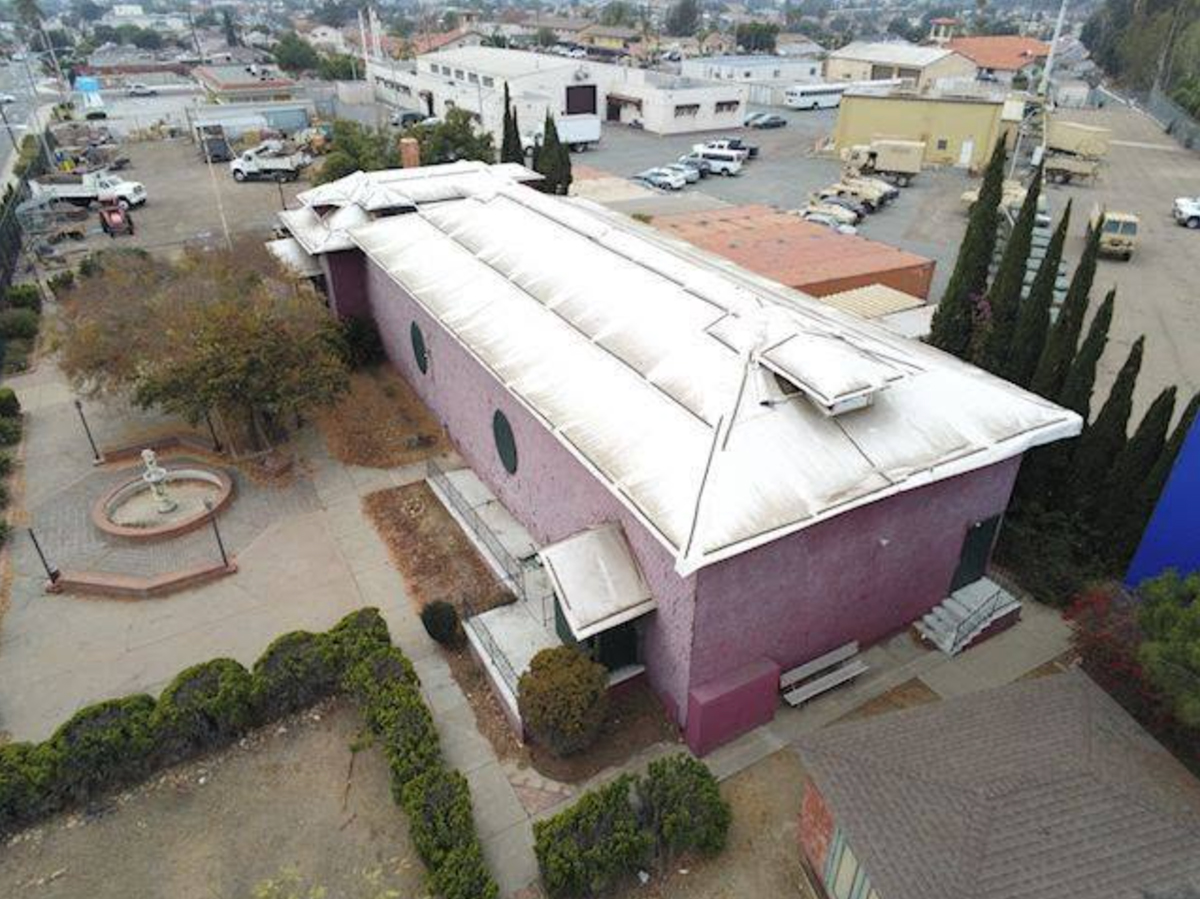
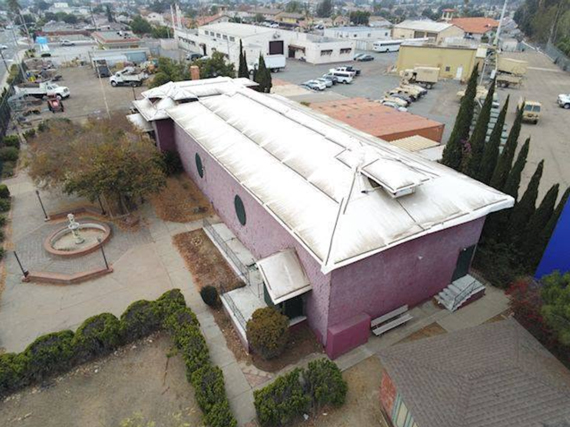
Then its fortunes changed. After the Granger estate on E. 8th Street burned in 1906, the free-standing music hall fell into disuse. In 1969, it narrowly escaped demolition, but was saved by preservationists and moved to its present location on E. 4th Street in National City.
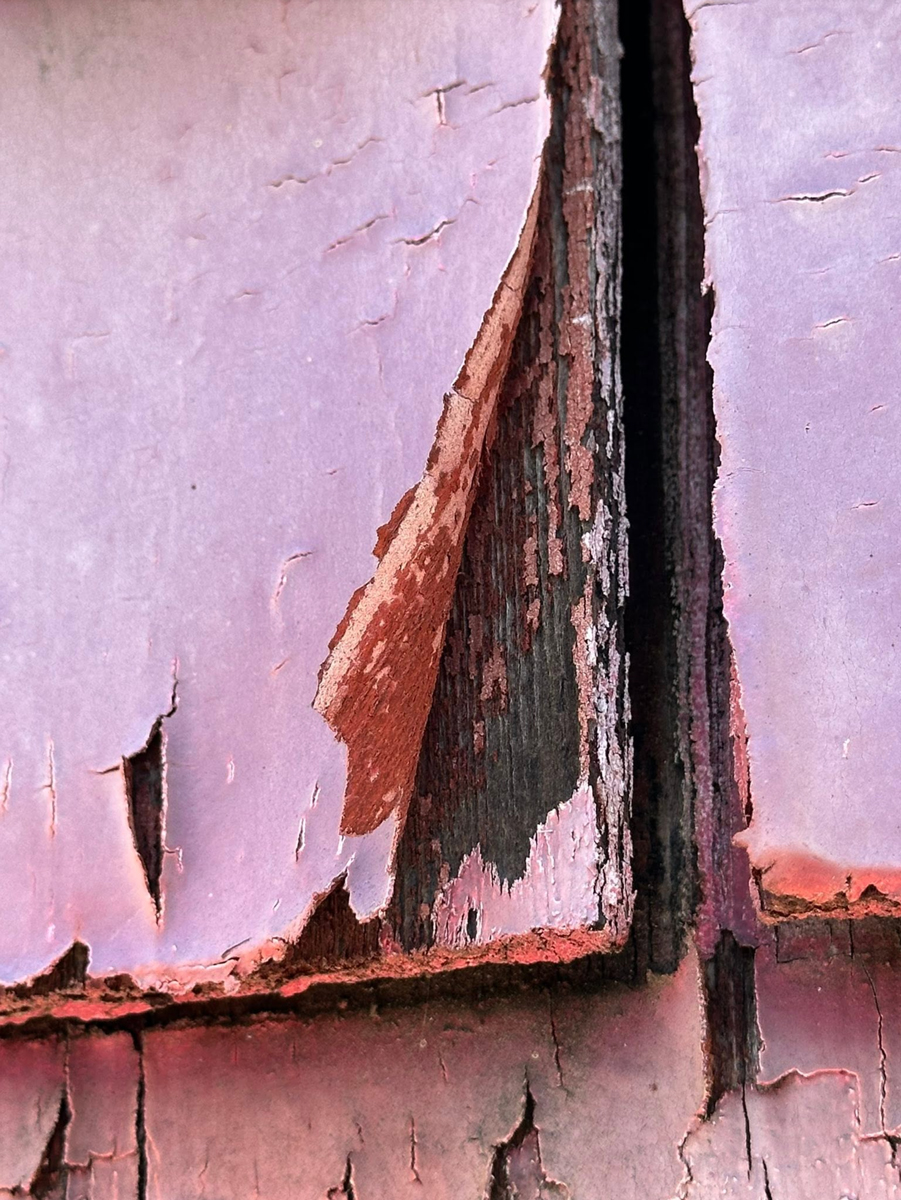
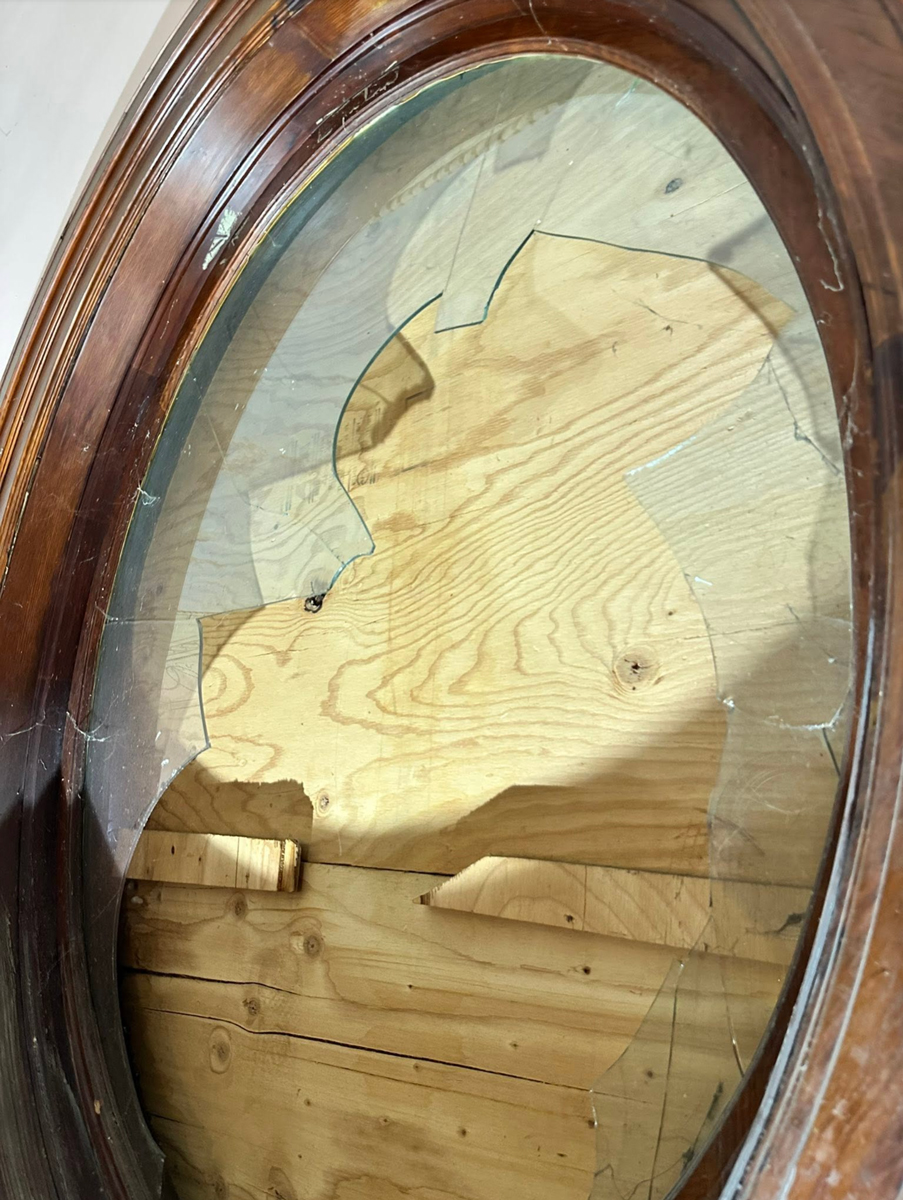
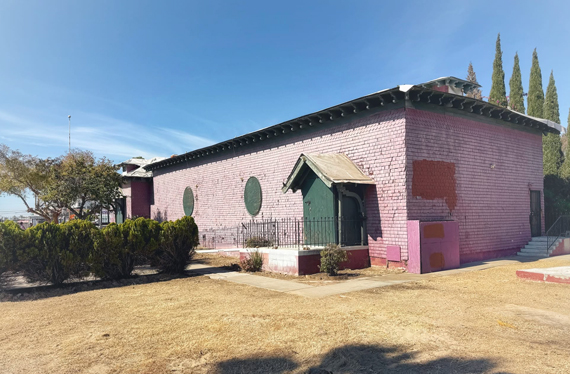
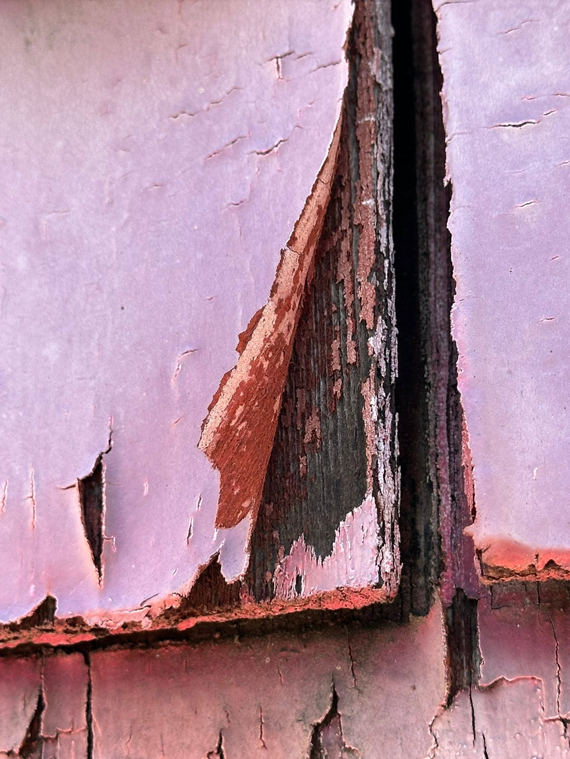
Granger Music Hall is listed on the National Register of Historic Places, but designation alone has not protected it from decades of neglect. Today, the building stands vacant, boarded up, fenced off, and deteriorating. Its historic interior is vulnerable and the building's condition continues to decline.
In 2025, SOHO conducted an on-site inspection and prepared a condition assessment identifying immediate protection measures and steps needed toward restoration. The assessment confirmed what preservationists have feared for years: This is not a building that can be left to wait for a better day. Every year of neglect and vulnerability makes the eventual restoration more difficult and more expensive.
Today National City is facing a severe budget crisis, making the question of how to save Granger Music Hall even more urgent and complex. National City, and our region, cannot afford to lose this building.
SOHO recognizes and respects the National City Historical Society's goal of restoring Granger Music Hall in place. We support that goal. But preservation sometimes requires us to ask a harder question: What is the best way to actually save the building?
For years, SOHO and other preservationists and music lovers have advocated moving Granger Music Hall to nearby Pepper Park and rehabilitating the building, ideally, under the stewardship of the Port of San Diego, potentially in partnership with the City of National City. Relocation is never preservationists’s first choice, but Granger Music Hall has already been moved once to save it from demolition.
If the choice today is between allowing this irreplaceable building to continue decaying in place or finding a new setting where it can be stabilized, restored, and returned to active public use, every viable preservation option deserves serious consideration.
The tragedy of Granger Music Hall is not simply that an important historic building is fading away. The building could still enjoy a vibrant future; the auditorium is a cultural opportunity waiting to be realized. Restored, Granger could once again be a place for music, performance, education, community gatherings, and cultural programming. Its exceptional acoustics, intimate scale, Gill-designed architecture, and extraordinary history give it the potential to become a distinctive arts destination for National City and all of San Diego.
SOHO urges the City of National City, historic and preservation organizations, arts and cultural institutions, potential funders, and community leaders to come together and develop a realistic preservation strategy. The status quo is not a preservation strategy.
We must think beyond the City's general fund and pursue state, federal, and private arts, humanities, historic preservation, and cultural funding that could help make restoration possible.
The City must make Granger Music Hall a priority and pursue creative options aggressively. A partnership with an established, performing arts center or university music school could be a solution for restoration and future operations, while also elevating National City’s profile.
SOHO urges the City of National City, historic and preservation organizations, musicians, arts and cultural institutions, potential funders, and community leaders to come together and develop a realistic preservation strategy.
What You Can Do
- Contact National City elected officials and urge them to make Granger Music Hall a priority despite the City's current financial challenges.
- Ask the City to publicly identify a preservation strategy and timeline for stabilizing and restoring the building. Tell them that Granger Music Hall does not need another decade of discussion. It needs a feasible plan backed by public-spirited political will.
(Scroll to view more photos)
 Courtesy Granger Music Hall Facebook page
 Courtesy Irving J. Gill Foundation Facebook page
 Courtesy Granger Music Hall Facebook page
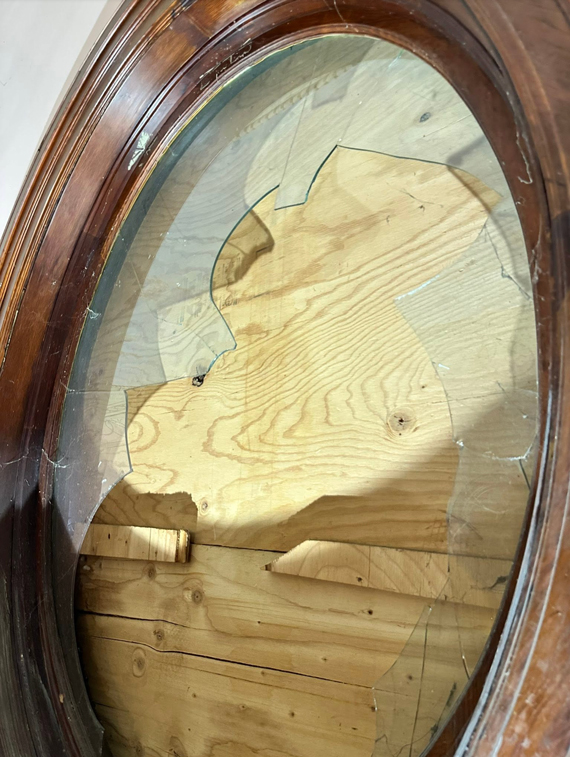 Courtesy Granger Music Hall Facebook page
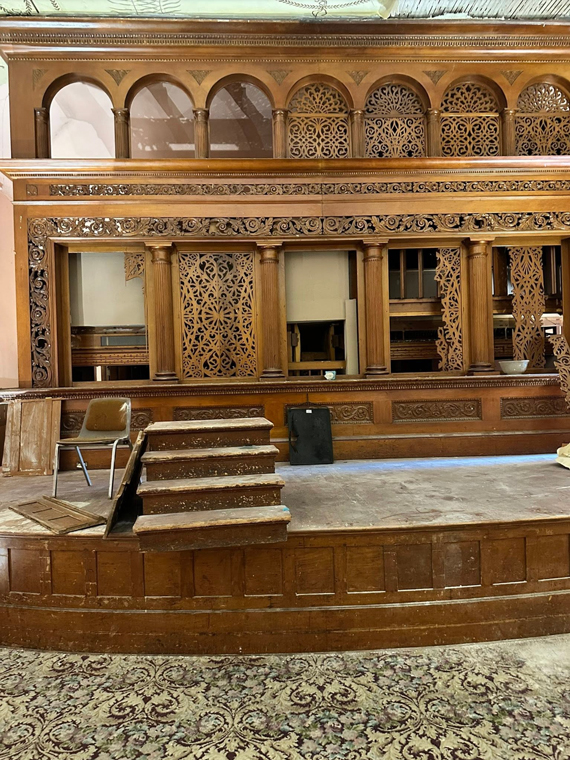 Courtesy Granger Music Hall Facebook page
|
2026
Newly and continued threatened
Sites to watch
Saved
Lost
2025 | 2024 | 2023 | 2022 | 2021
2020 |
2019 |
2018 |
2017 |
2016
2015 |
2014 |
2013 |
2012 |
2011
2010 |
2009 |
2008 |
2007 |
2006
2005 |
2004 |
2003 |
2002 |
2001

|