|
Congregational Church of La Jolla
1216 Cave Street, La Jolla
For more than 135 years, the Congregational Church of La Jolla has been part of the story of this community, but the landmark is now genuinely at risk.
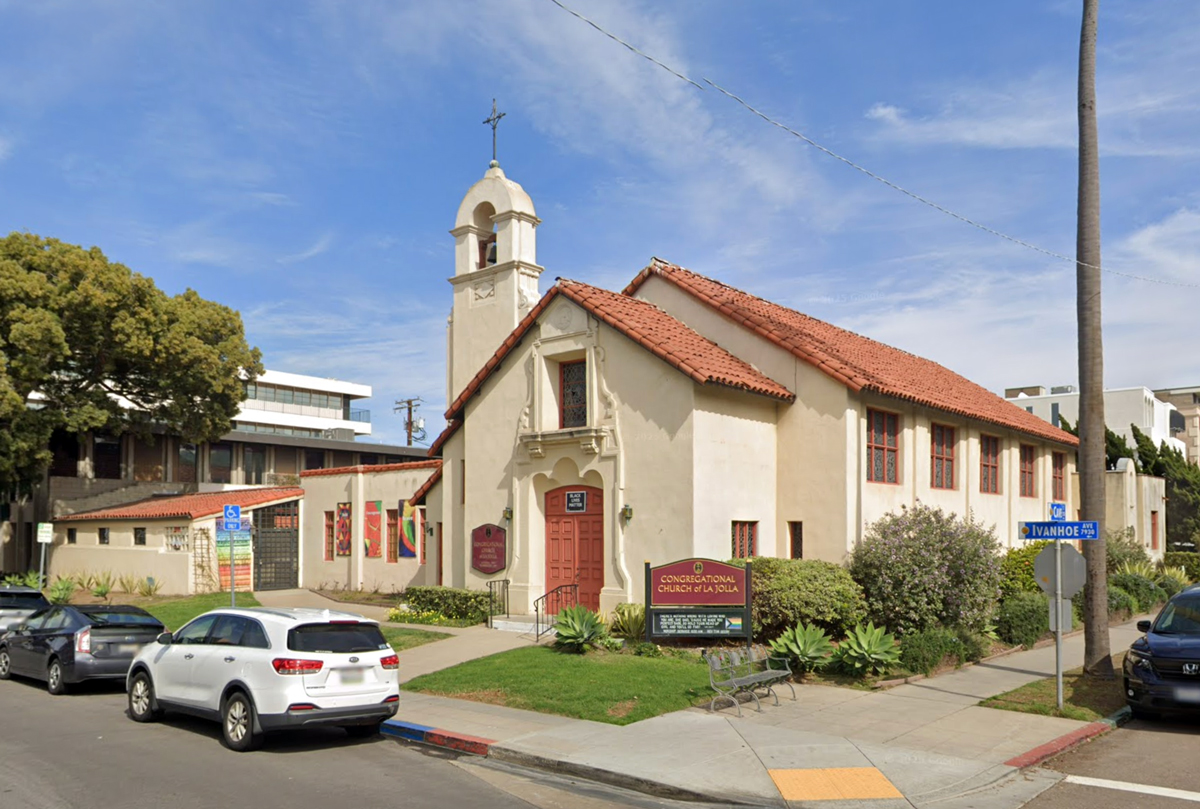
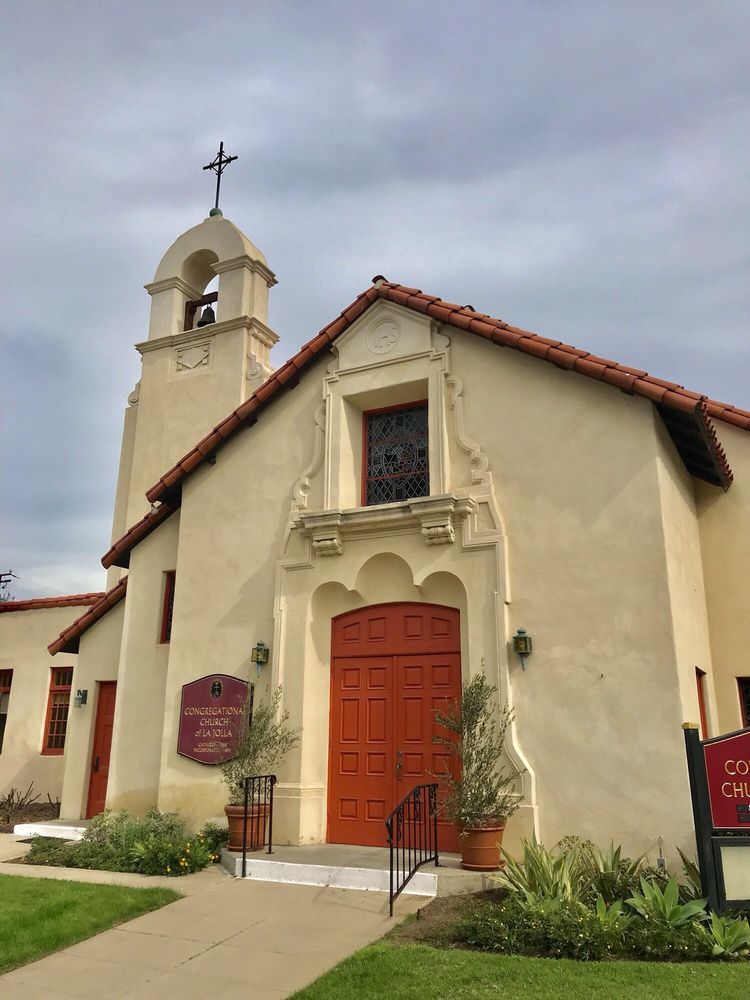
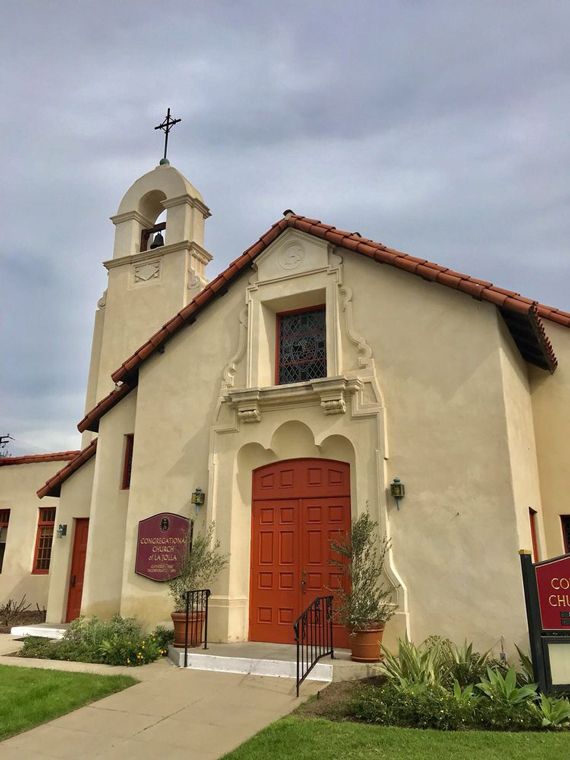
Completed in 1916, the church was designed by Carleton M. Winslow, an architect who played a major role in shaping the design of the 1915 Panama-California Exposition in Balboa Park. The City of San Diego's historic resources survey identifies the Congregational Church as a significant Mission Revival building and notes its longstanding role as a focal point of La Jolla's cultural and religious life
As an unusually intact example of Master Architect Winslow's work, it is an important part of La Jolla's architectural heritage. Church literature describes the building at Cave Street and Ivanhoe Avenue as a gem in the Spanish Mission style, with a distinctive bell tower containing a genuine bell from California's Camino Real.
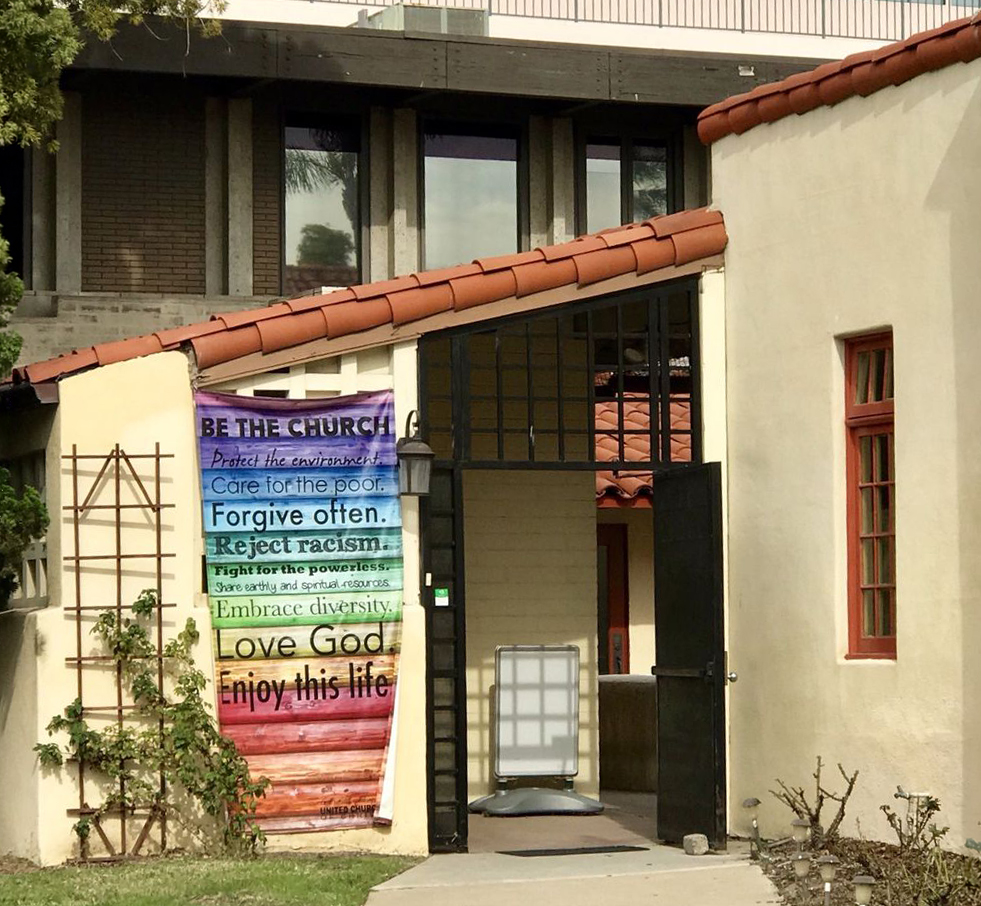
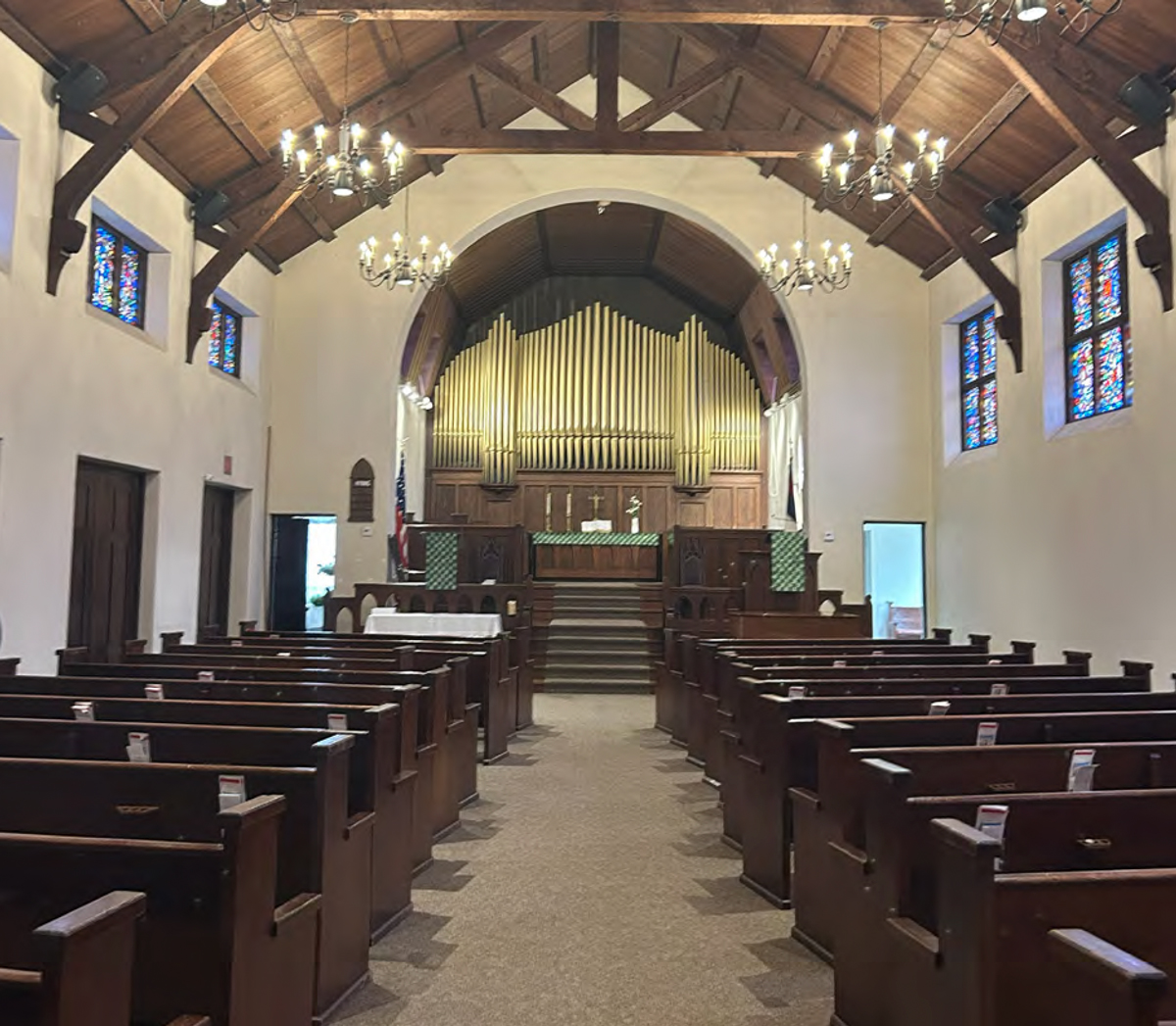
Inside, layers of history have accumulated over more than a century. A pipe organ was installed in 1926. Forty-two stained-glass panels were added during the 1950s and 1960s, depicting scenes from Hebrew Scripture and the life of Jesus. The sanctuary retains expanses of California redwood in its vaulted ceiling and pews. The central courtyard and fellowship facilities have been improved and adapted over the years.
In 2016, when the congregation celebrated the church's 100th anniversary, the community gathered to rededicate the building for another century of use. Church members explicitly described the event as a celebration of the church's architecture, history, and identity.
Today, this distinguished piece of La Jolla's history, a 5,308-square-foot property on about .26 acres, is for sale. The real estate listing raises an immediate red flag by making the potential threat of demolition unusually clear. First, it describes the property as an opportunity to “develop or acquire an existing religious facility,” then specifically notes that the owner may assist with obtaining demolition permits.
California's statewide provisions governing religious properties are especially relevant here. When a religious property is sold to another religious institution and continues to be used for religious purposes, it can qualify for a religious-use exemption from historic review. A sale for a nonreligious use does not carry that same exemption and can subject the property to historic review.
These provisions make what happens next especially important. A sale does not have to mean demolition. The church could have a future through continued religious use, adaptive reuse, or another compatible use that respects its historic character. But if the property ends up being sold for demolition and redevelopment, the community needs to be paying attention now, and preparing to participate in the preservation process.
The congregation has been facing declining membership and the financial difficulty of maintaining a large historic property.
If the property is sold for a new use, any proposed demolition or substantial alteration would be required to go through the City's applicable historic-resource review process. San Diego's regulations require historical-resource review for projects involving designated resources, properties in historic districts, and properties determined eligible for or listed in state or national registers.
Here is a historic building that has successfully adapted to changing needs for more than 100 years. That history of adaptation is precisely why its future does not have to end. SOHO understands the difficult financial position facing the congregation. But selling the property does not have to mean losing the building. The first priority should be finding a buyer, partner, or new use that can retain the church building and its significant architectural features.
Another religious congregation could potentially continue using the building. A nonprofit, cultural organization, arts organization, educational institution, or other community-serving use might provide another viable path, provided the building's historic character is retained. The church could be creatively adapted for highly desirable housing, even as a single-family residence.
What You Can Do
- Help spread the word and real estate listing to find a preservationist buyer.
- Stay as informed as possible on the church’s status so you can be part of any necessary preservation effort.
(Scroll to view more photos)
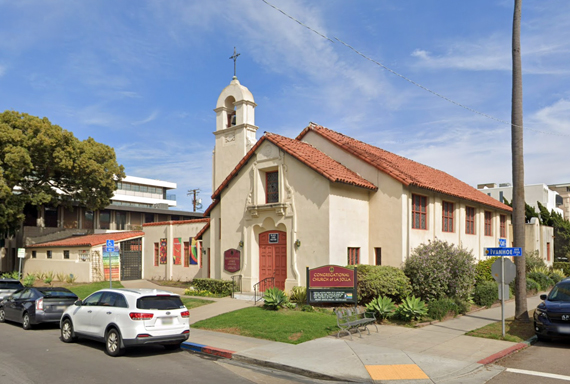 Courtesy Google street view
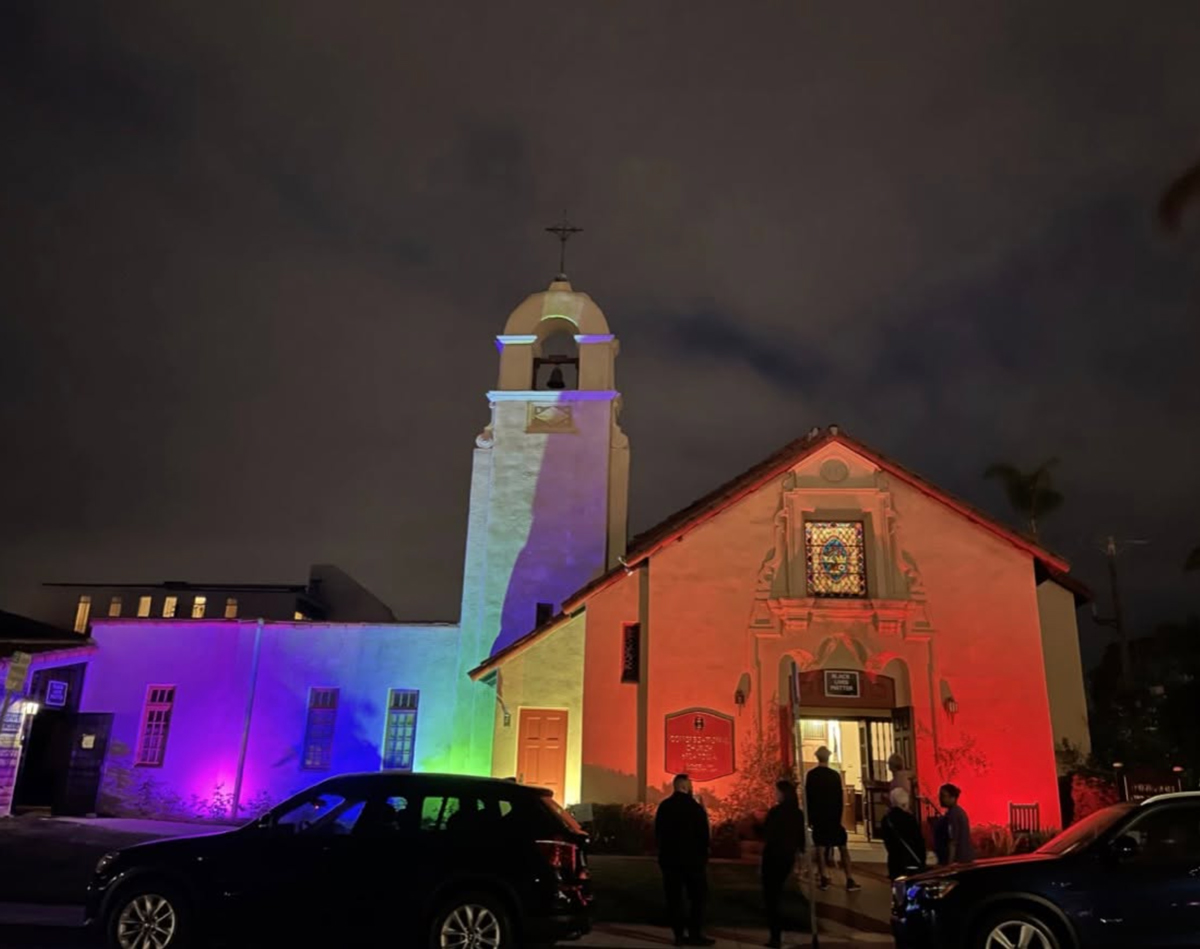
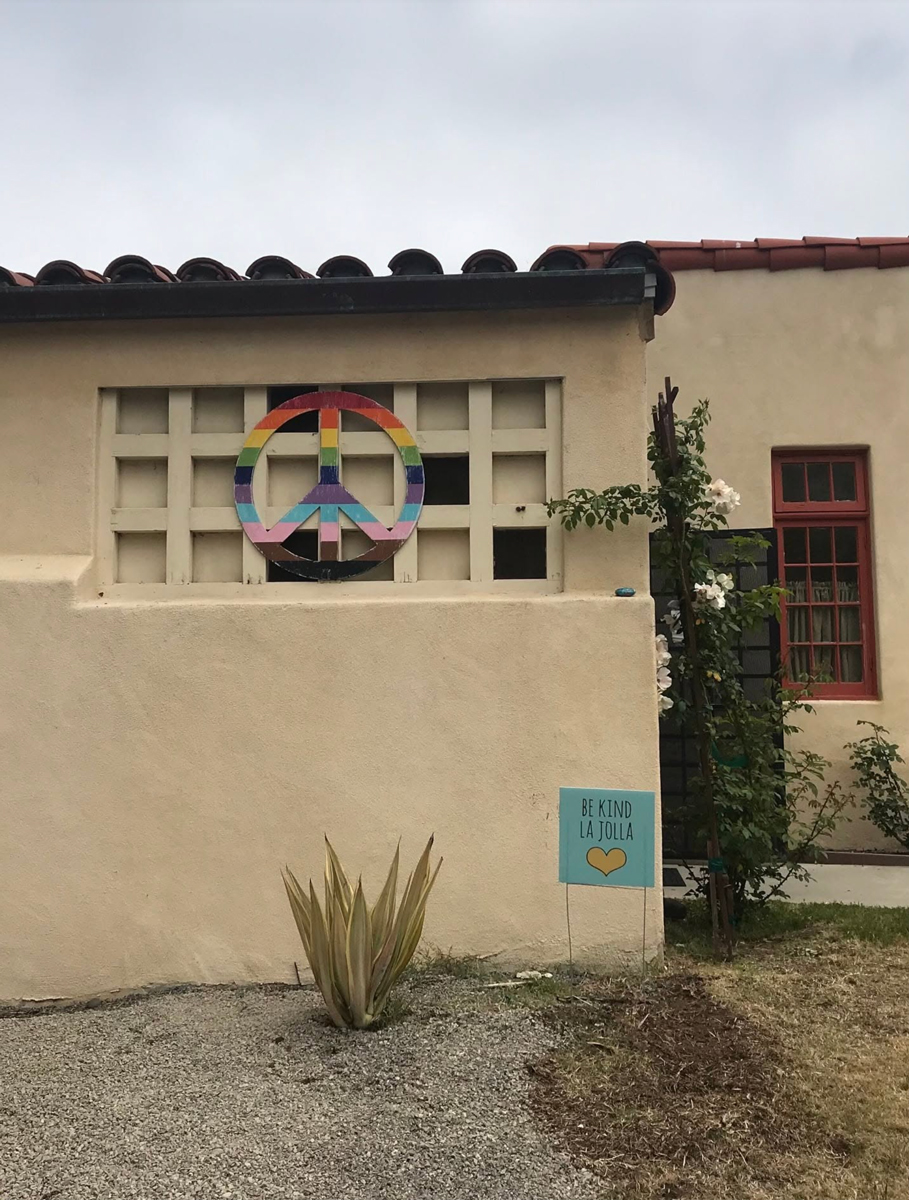
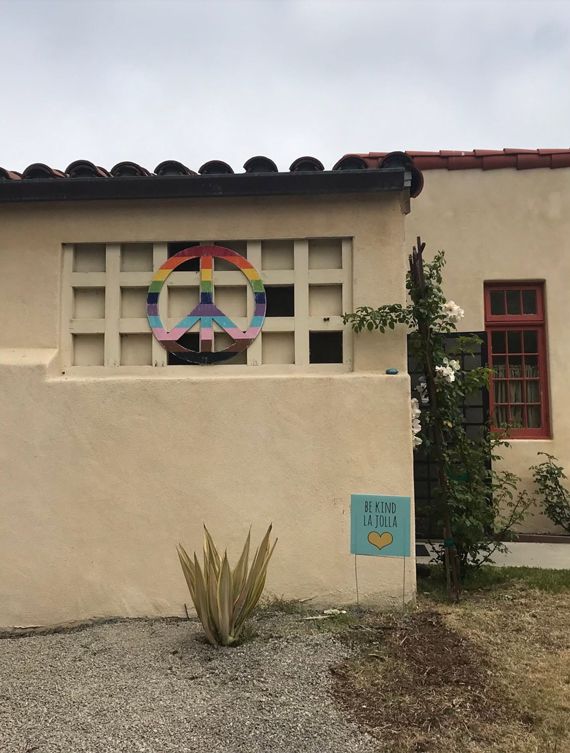
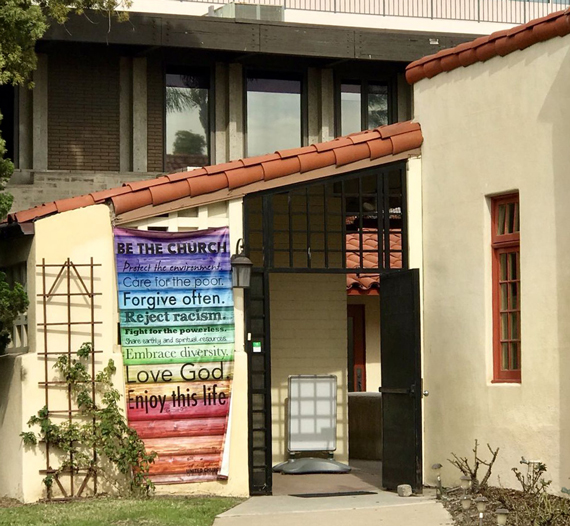 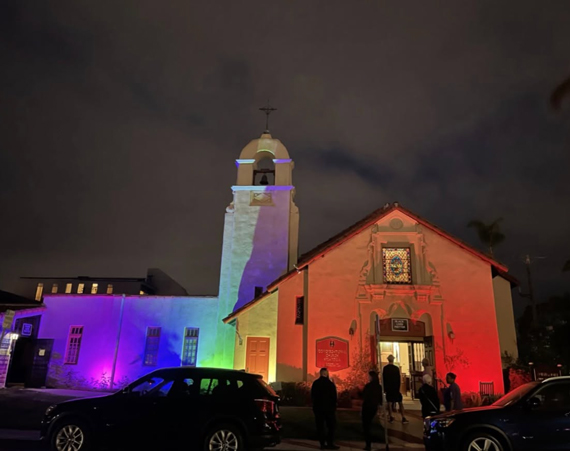 Church lit in Pride colors in celebration of La Jolla Pride Art Walk
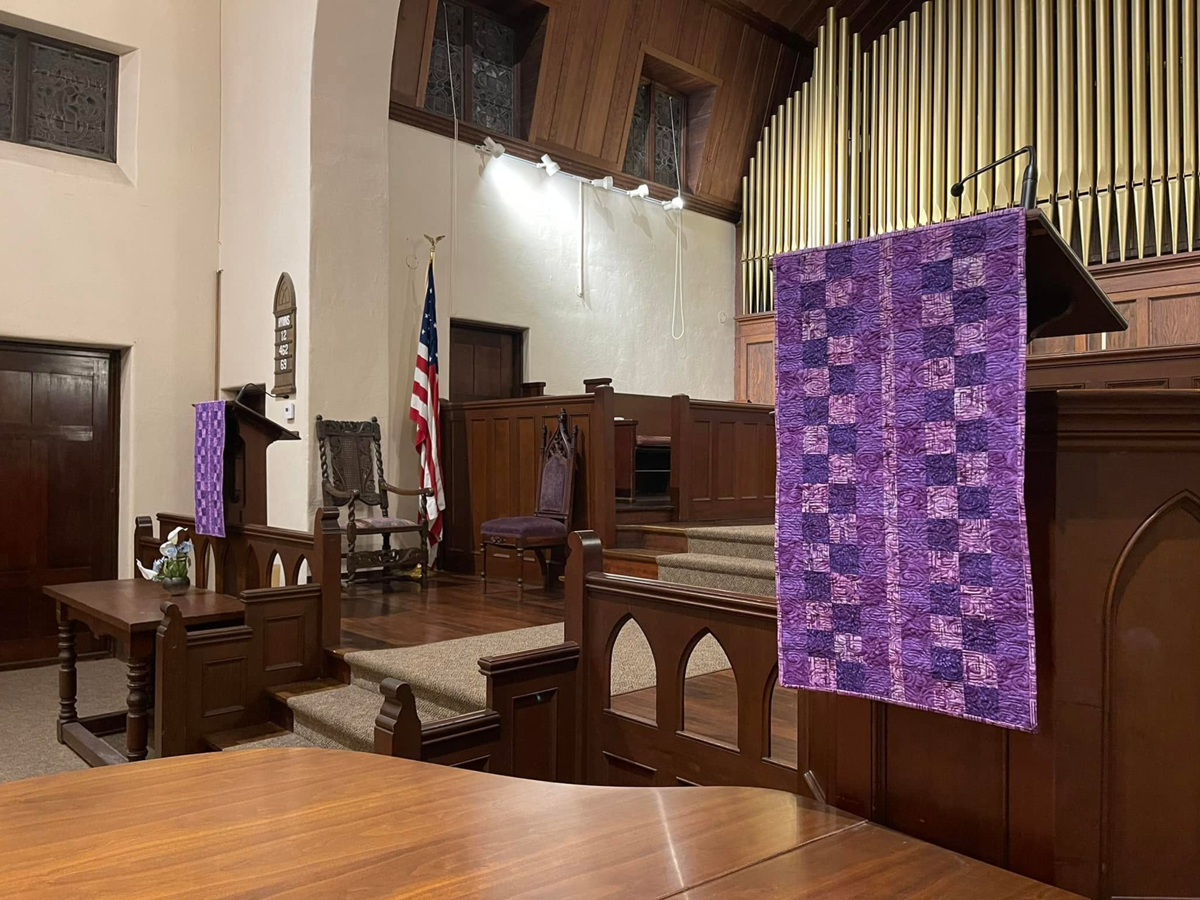
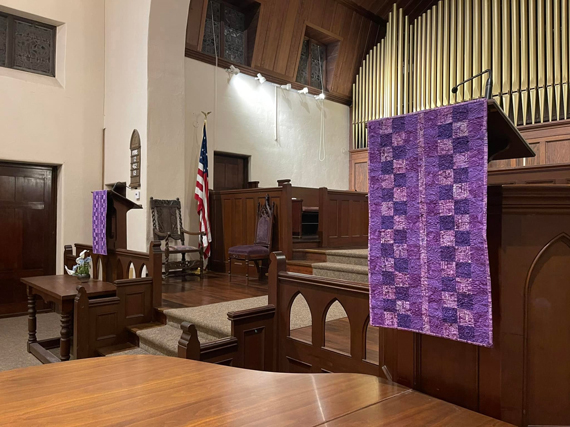 Church interior
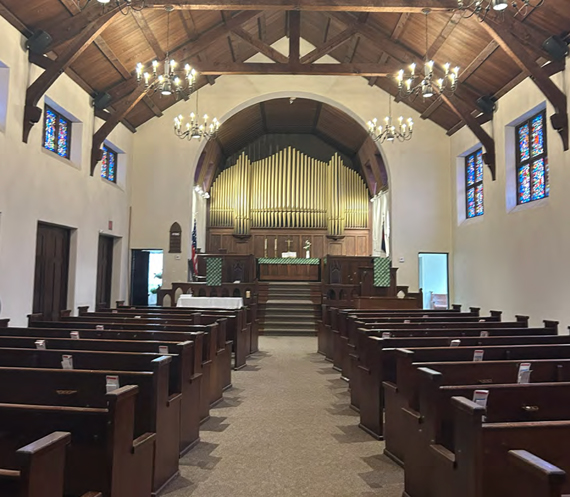 View of the pipe organ and stained glass windows
|
2026
Newly and continued threatened
Sites to watch
Saved
Lost
2025 | 2024 | 2023 | 2022 | 2021
2020 |
2019 |
2018 |
2017 |
2016
2015 |
2014 |
2013 |
2012 |
2011
2010 |
2009 |
2008 |
2007 |
2006
2005 |
2004 |
2003 |
2002 |
2001

|