|
The Unlikely Alliance of George W. Marston and Ah Quin
The Marstons: A California Family - Part 27
By Robin Lakin
November/December 2026
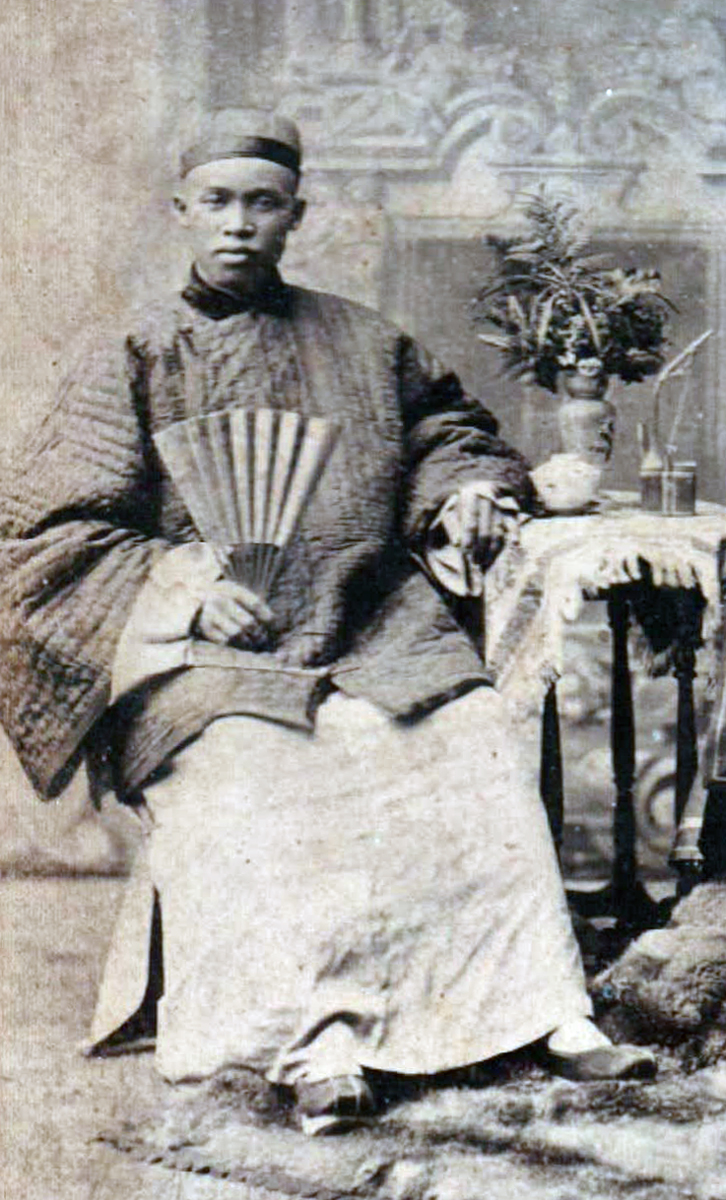
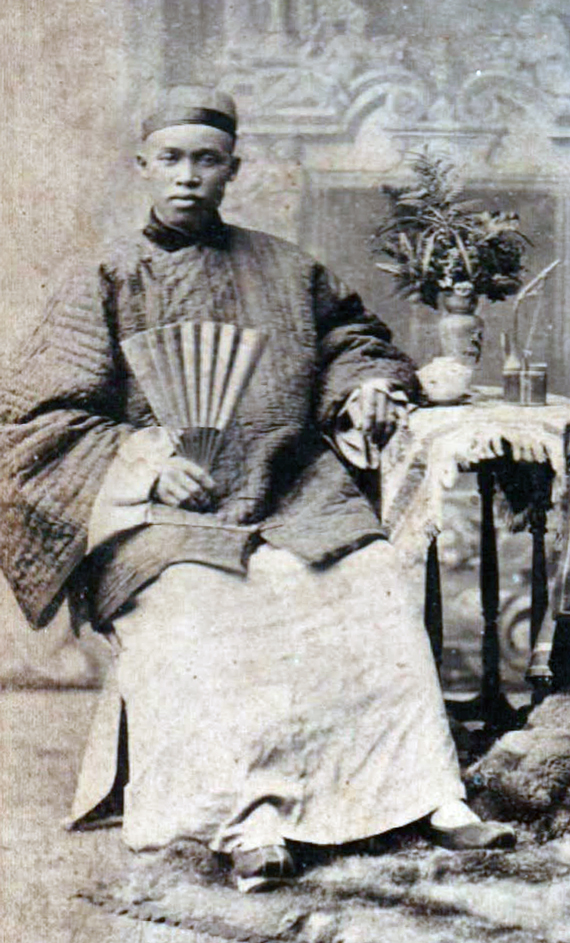 This image of Ah Quin, age 33 was taken in 1881 at the Elite Photography Studio on Market Street in San Francisco, at the time he married Sue Leong. Courtesy the Chinese Ancestry Research Facebook page |
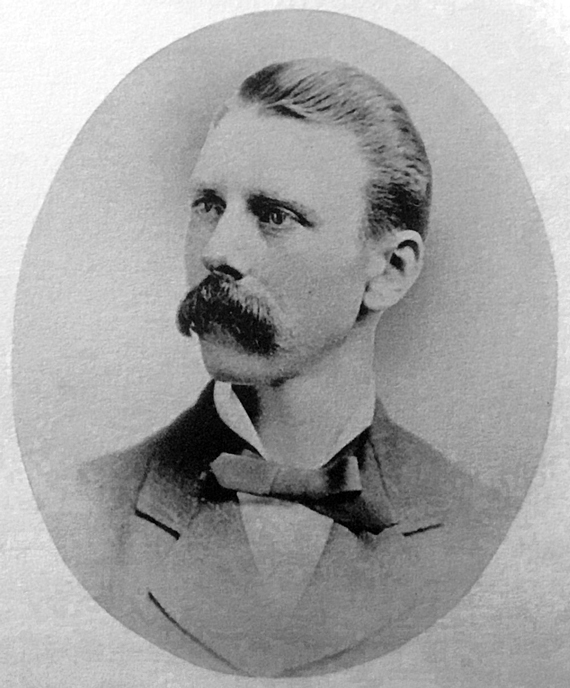 George W. Marston at the time he first met with Ah Quin in 1878, the year he married Anna Lee Gunn and established his own dry goods store. George and Ah Quin, both pioneers and devout Christians were separated by a mere two years in moving to California. They stood the same height (5’7”), and mirrored one another in character, morals, talent, commercial trade, and civic leadership. Courtesy SOHO collection |
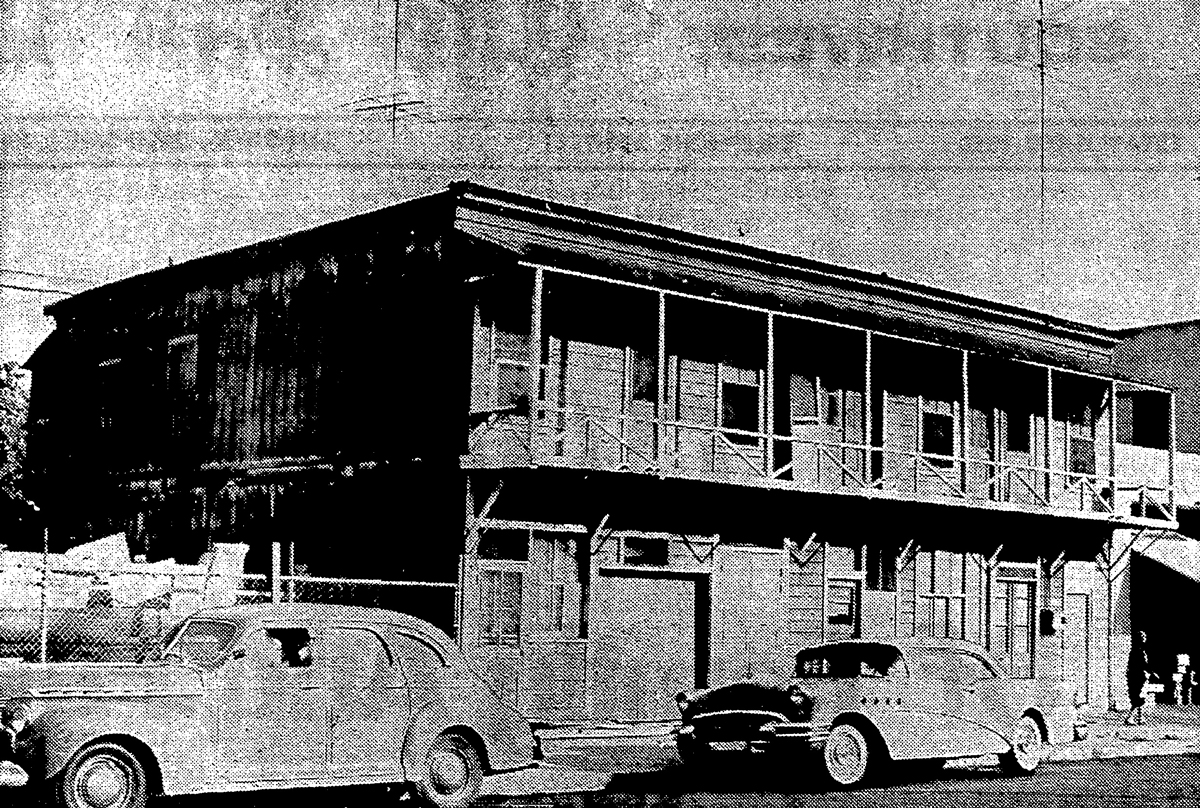
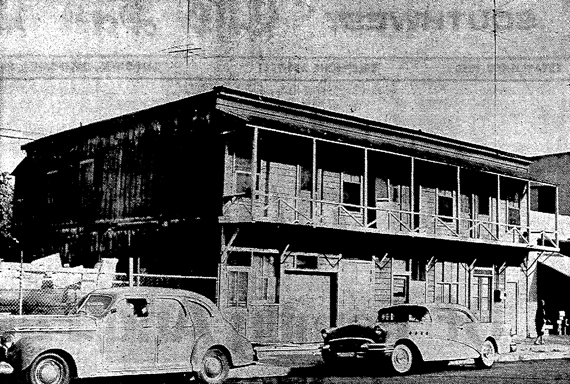 Ah Quin built this wood framed, two-story home for his family in 1888 at 445 Third Street, San Diego. It was razed in 1962 upon the death of Henry Quin, Ah Quin and Sue Leong’s last child in residence, with the Quin family’s approval. Courtesy San Diego Union, November 4, 1962 |
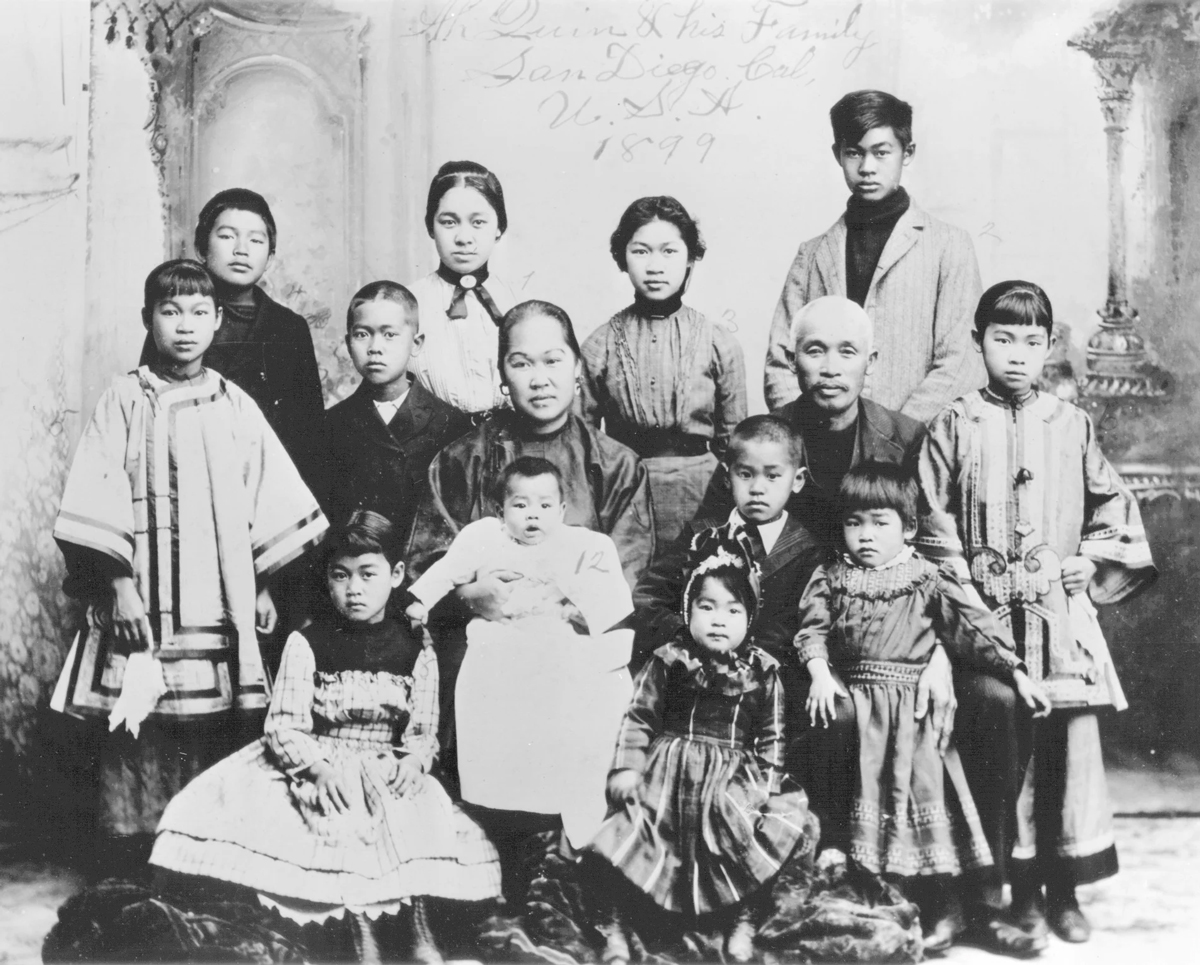
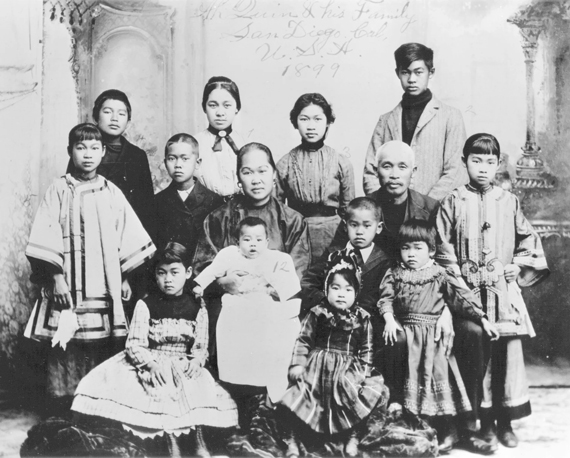 The family of Ah Quin and his wife, Sue Leong, c.1900. While a note penciled at the top indicates the image was taken in 1899, all twelve children are present, including William, the youngest, who was born in 1900. The family is identified as follows: Row 1 (bottom): Minne and Mabel; Row 2: William McKinley (held by his mother, Sue Leong), Henry and Mary (standing in front of their father); Row 3: Margaret, Franklin, Sue Leong, Ah Quin, and Lilly; Row 4: Thomas, Annie, Mamie, and George. Courtesy San Diego Reader, July 30, 1998 |
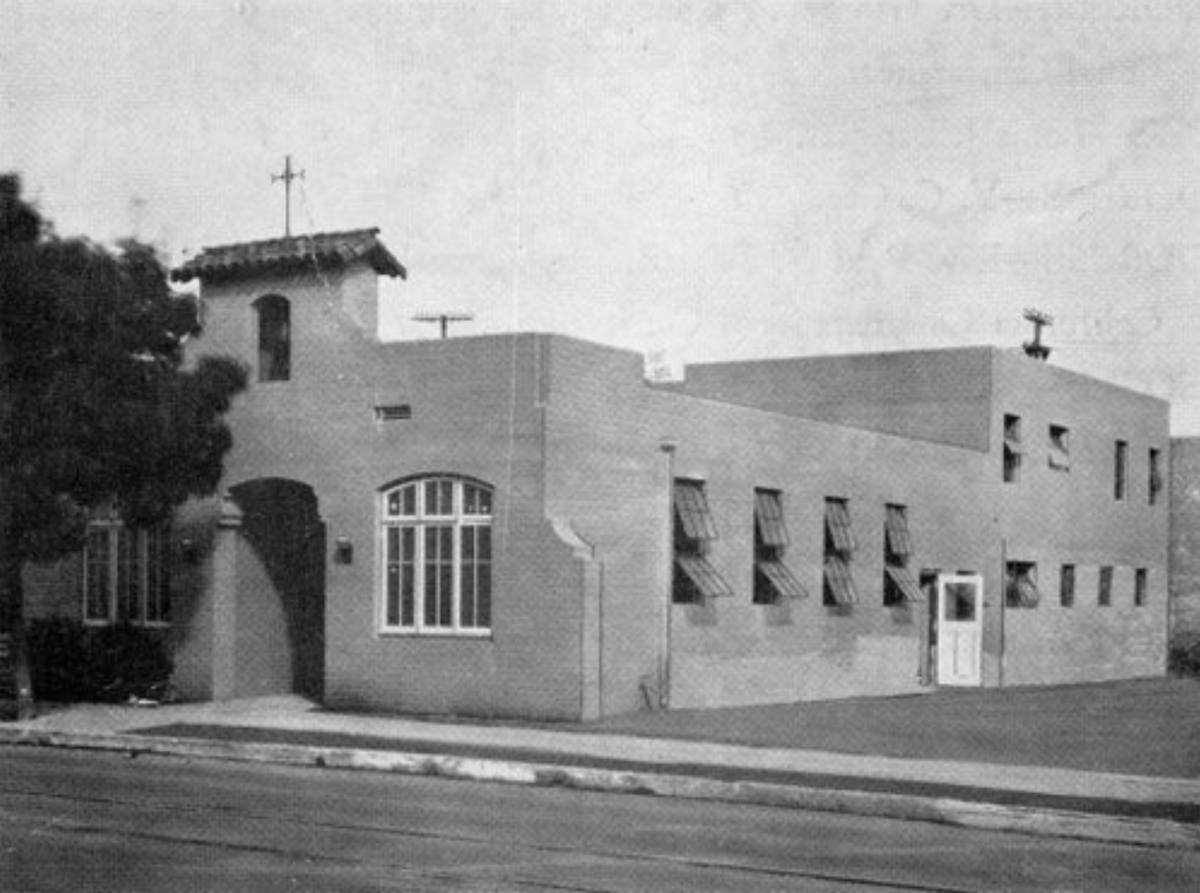
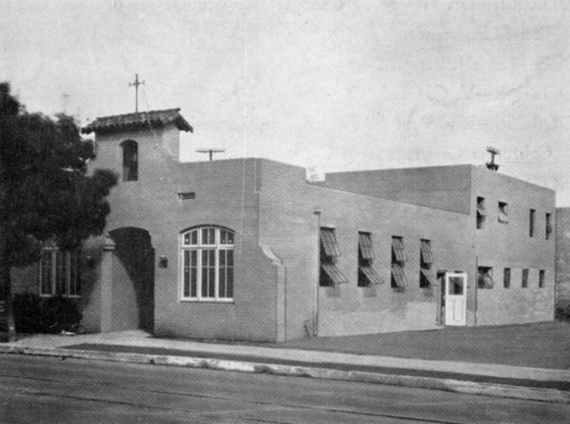 The Congregational Chinese Mission, founded in 1885 as the Chinese Mission School, is where George Marston taught English. San Diego architect Louis J. Gill designed its new brick home, built in 1927 on land Marston donated at 645 First Avenue. Saved from demolition in 1995, the building was moved to Third and J Streets, where it currently operates as the San Diego Chinese Historical Museum. Courtesy SDHC |
To the average 19th-century San Diegan, at first glance, George White Marston and Ah Quin had nothing in common and no reason to associate with each other under the restrictive social constraints of the time. In fact, it’s amazing that they even met, let alone became friends.
Despite their different cultural backgrounds and the racial prejudices of the era, the Chinese immigrant and the Midwestern pioneer found themselves closely aligned in character, worldviews, and abilities.
Many 19th- and early 20th-century immigrants altered, anglicized, or adopted new names to help them integrate into Western society and to reduce targeted racial hostility.
Born Tom Chong Kwan in 1848 in Hoiping, a small farming village in southern China, Ah Quin attended a Canton missionary school to receive Christian religious instruction and to learn written and spoken English before sailing to California in 1868. Initially residing in San Francisco’s Chinatown while continuing his religious studies and working as a house servant, Ah Quin eventually moved to Santa Barbara to learn merchandising from his uncle.
The Marston family, who arrived in San Diego from Wisconsin in 1870, hired a young Chinese newlywed couple, Ah Quock and Sing Yee, to assist with homekeeping. During this time, a Los Angeles trafficker kidnapped Sing Yee, who was swiftly rescued by George Marston in a heroic act that made headlines throughout California. No doubt, Ah Quin noted the young American’s efforts to free the Chinese bride.
Recognizing the importance of building relationships beyond San Diego’s Chinese community, Ah Quin developed contacts he maintained throughout his life and began writing a daily journal in English, a practice he continued for decades. Ah Quin's eleven-volume journal (1877–1902) provides a rare and valuable historical record and can be found at the San Diego History Center (SDHC).
Returning to Santa Barbara in 1875, Ah Quin opened a laundry and mercantile business on State Street, providing the Chinese community with local news, information, and tidings sent from China. He also offered his services as an agent for Chinese workers with employment opportunities.
He met George during a visit to San Diego in 1878 before returning to San Francisco to work at the Presidio. The two men began a correspondence that continued for years.
In 1880, with the anticipated railroad development in Southern California, George invited Ah Quin to return to San Diego to network within the city's Chinese community, many of whose members did not speak English. Ah Quin's bilingual skills and business training made him an ideal labor contractor, enabling him to help Chinese workers find employment and supply railroad operations with reliable, skilled labor over the next five years.
After setting up a San Diego office at I and J Streets to relay news, messages, and information from China, Ah Quin expanded into merchandising on Fifth Street and branched out into real estate, leasing land throughout Southern California for vegetable farming.
Ah Quin built a two-story home on Third Avenue and married Sue Leong. He doted on their twelve children and was committed to educating his nine daughters, eight biological and one adopted.
Like George Marston, Ah Quin established himself as a prominent merchant and became a highly regarded and influential leader among San Diego’s Chinese residents and the broader community. His relationship with George deepened with the 1885 establishment of the Chinese Mission School of San Diego, where he taught English during the height of California’s Chinese Exclusion Act.
In a San Diego Union interview published October 23, 1986, Joe Quin, son of Ah Quin’s eldest son, George Quin, said of Ah Quin, “My grandfather, who adopted western dress, became very good friends with George Marston; in fact, George Marston donated land to build…the Chinese Community Church at 645 First Street.”
The long friendship between Ah Quin and George Marston, forged during a period of intense anti-Chinese discrimination and exclusion, is extraordinary and inspirational. Kindred spirits, the two men each left an indelible, progressive mark on San Diego.
SOHO encourages those interested in San Diego's Chinese heritage to visit the San Diego Chinese Historical Society located in the Asian Pacific Thematic Historic District in downtown San Diego and online, where you can learn more about Ah Quin.
BACK to table of contents
Read the rest of the ongoing The Marstons: A California Story History Series.
|
2026
2025
2024
2023
2022
2021
2020
2019
2018
2017
2016
2015
|