|
Hiding in Plain Sight
No. 49 - The Adobe Chapel of the Immaculate Conception
By Alexander D. Bevil, California State Parks Historian II (Retired)
November/December 2025
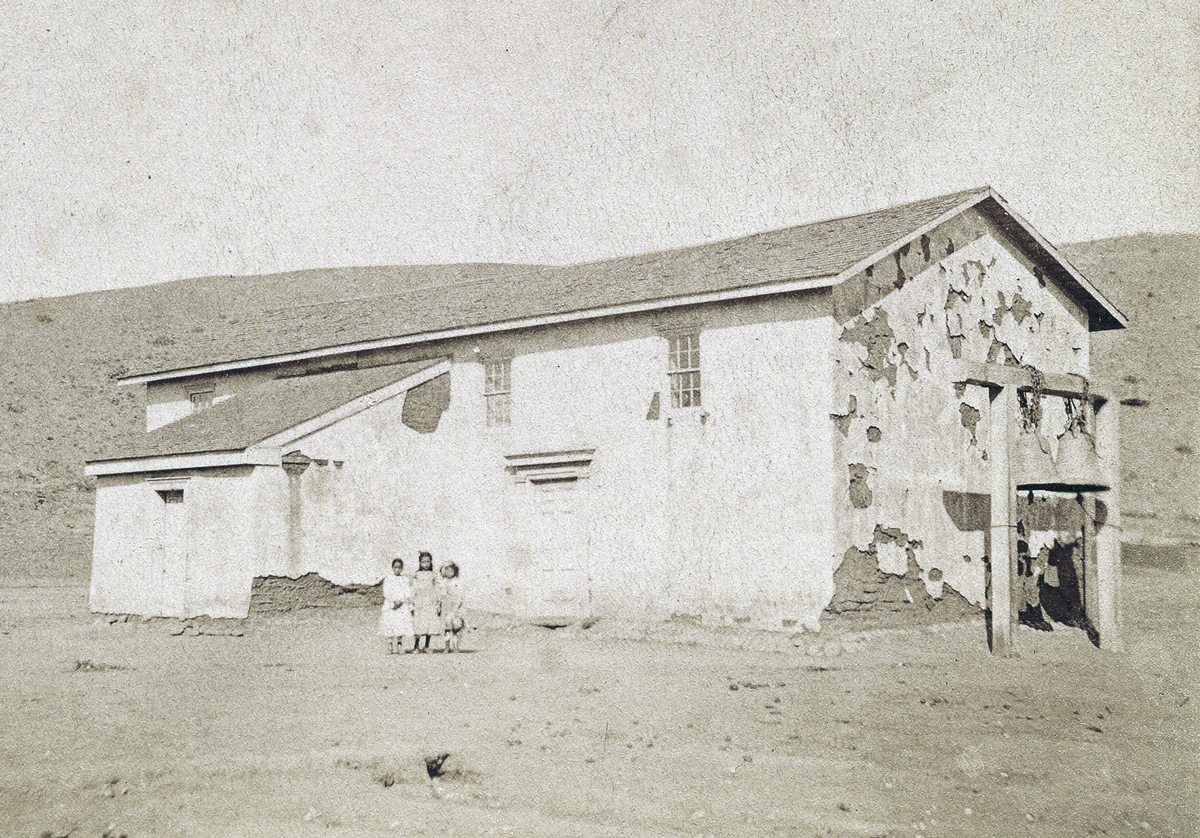
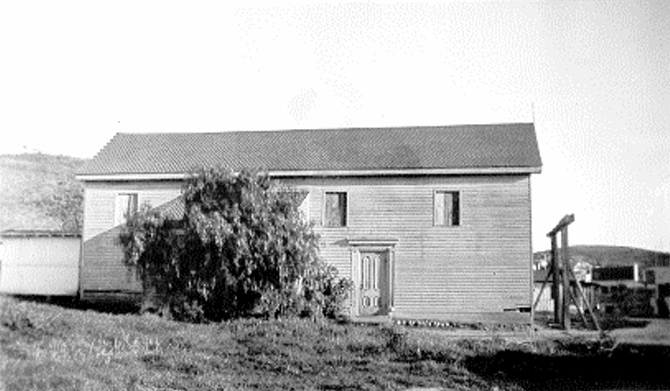
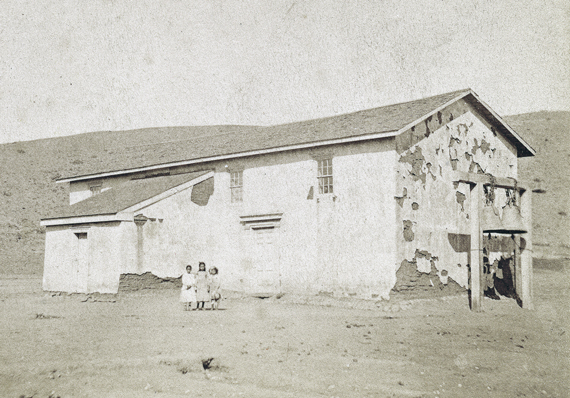 Local children standing in front of the chapel’s northwest entry, pre-1870s. Notice the deleterious condition of its exterior walls and the pair of suspended mission bells. SOHO collection
Editor’s note: SOHO welcomes Alex Bevil, our new eNews columnist, who is shining a light on California Historic Landmarks in San Diego County. He received our People In Preservation Lifetime Legacy Award in September 2025. Among his myriad achievements, Alex’s research and reports have landed many San Diego sites on local, state, and national historic registers. Read more about Alex online.
Alex’s debut column features the Adobe Chapel in Old Town. Please note that SOHO no longer operates this landmark for the City of San Diego, which closed it in 2018 for seismic retrofitting still to be done. There is no current timeline for reopening the building.
Have you ever driven by a rectangular, freestanding stone or brick wall with a large metal sign or bronze plaque that has the shadow of a grizzly bear on top? If you stopped to investigate, you might be surprised to find out that it marks the location of a state-designated California Historic Landmark (CHL).
Seemingly hiding in plain sight, either next to a busy city street or along a lonely highway in a remote rural area, these markers are worth a visit.
Historically, the placement of “appropriate memorial tablets commemorative of historic places and events” in California history began in 1895 with the formation of Los Angeles’s Landmarks Club, followed by San Francisco’s California Historical Landmarks League in 1902. Both had been organized primarily to preserve the California Missions. In 1931, the California legislature gave the director of the natural resources (today’s California State Parks) the authority “to register and mark buildings of historical interest and landmarks.” The director in turn sanctioned the California State Chamber of Commerce to administer the program.
On June 1, 1932, no less than 20 landmarks were officially designated. They represented well-known places and events in California history, especially the ubiquitous Spanish missions, as well as early settlements, battle sites, and the Gold Rush. By December, 58 more landmarks were added to the register.
Assisting the chamber was an approval committee composed of several noted California historians. Among these was State Senator Leroy A. Wright. A founding member of the San Diego Historical Society, and chairman of the local Landmarks Committee, Wright’s name appears on most if not all early San Diego nominations.
In May 1949, California Governor Earl Warren created the California Historical Landmarks Advisory Committee to assure greater integrity and credibility in the registration process. However, it took some 21 years before the committee finalized and adopted the following registration criteria for a building, structure, object, or site to be eligible for designation as a CHL:
- The first, last, only, or most significant of its type in the state or within a large geographic region (Northern, Central, or Southern California).
- Associated with an individual or group having a profound influence on the history of California.
- A prototype of, or an outstanding example of, a period, style, architectural movement or construction, or is one of the more notable works or the best surviving work in a region of a pioneer architect, designer, or master builder.
In 1974, the California Historical Landmarks Advisory Committee was renamed the State Historical Resources Commission. Administered by the State Historic Preservation Officer (SHPO), the commission reviews and recommends applications for designation at regularly scheduled public hearings. The director of California State Parks then adds them to the California Register of Historic Resources with the written consent of the property owners.
Like most of the 1,000-plus CHLs registered statewide, the 70-plus in San Diego County are identified with metal plaques indicating their historical significance, designation date, and sponsoring organizations. The earliest would have been installed by local historical societies, assisted by the Native Sons and Daughters of the Golden West, and the California State Society Daughters of the American Revolution. That role was later taken over by E Clampus Vitus, a fraternal organization dedicated to the preservation of western heritage. It began placing the familiar larger bronze plaques during the 1950s, and continues to do so today.
The Sacramento-based Office of Historic Preservation plans to reevaluate the earlier CHL designations to see if they meet current criteria standards. Indeed, many are supported by minimal documentation, while others were reportedly selected and registered simply on hearsay or local legend.
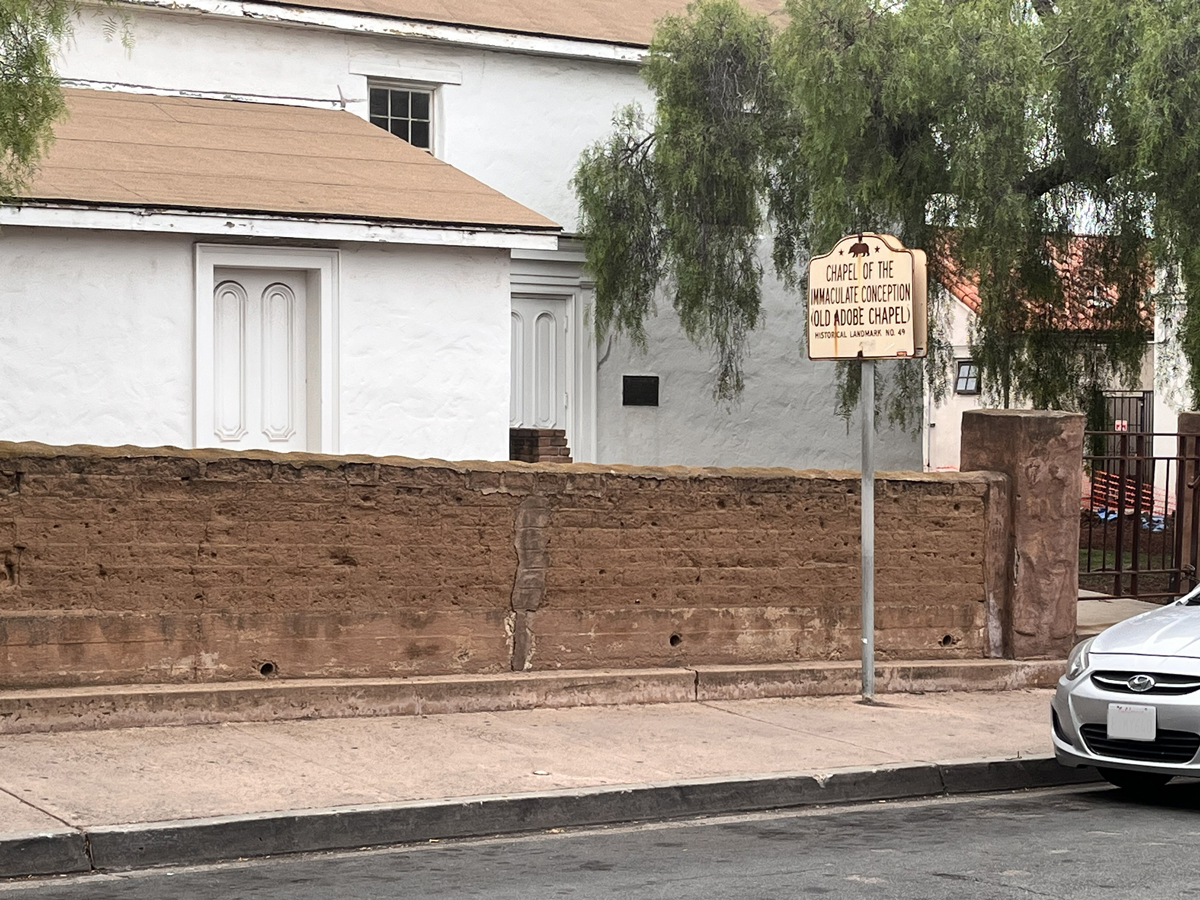
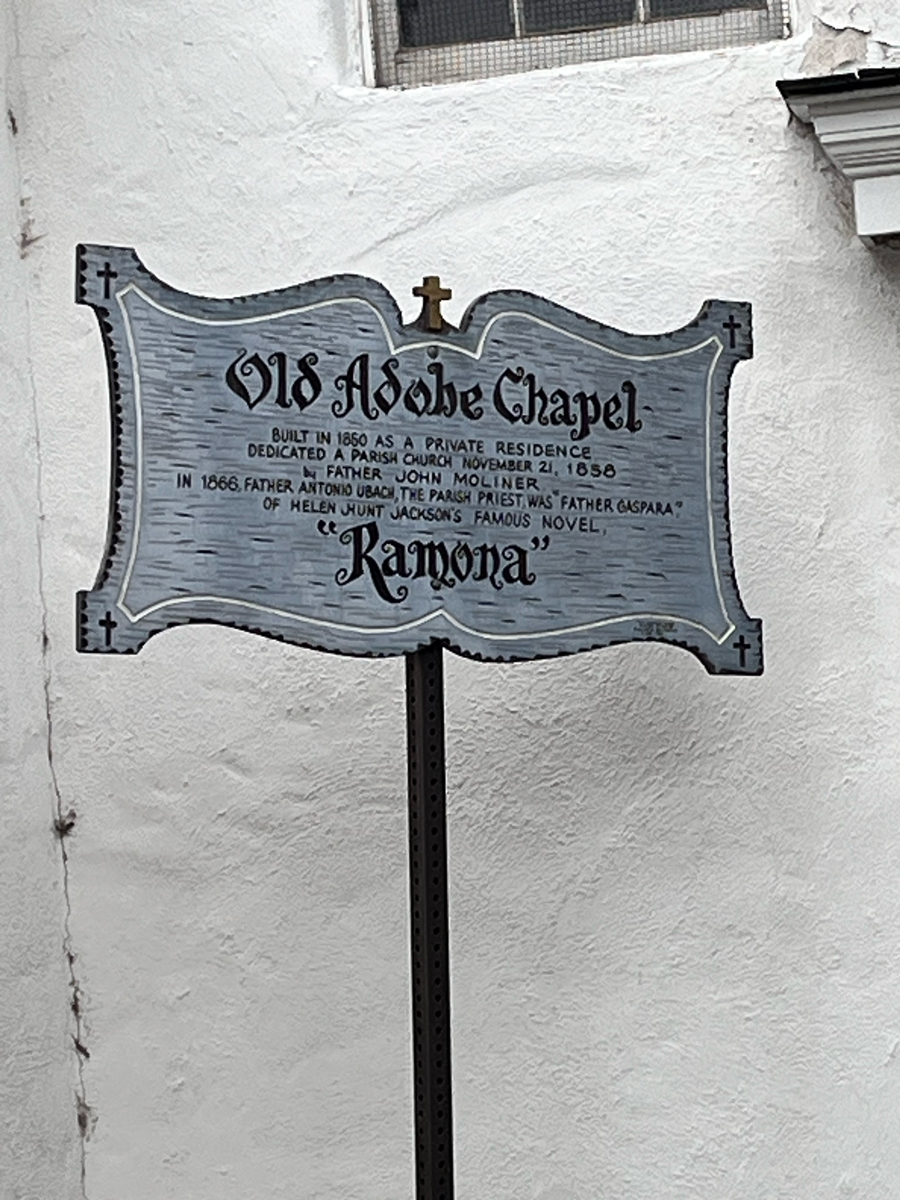
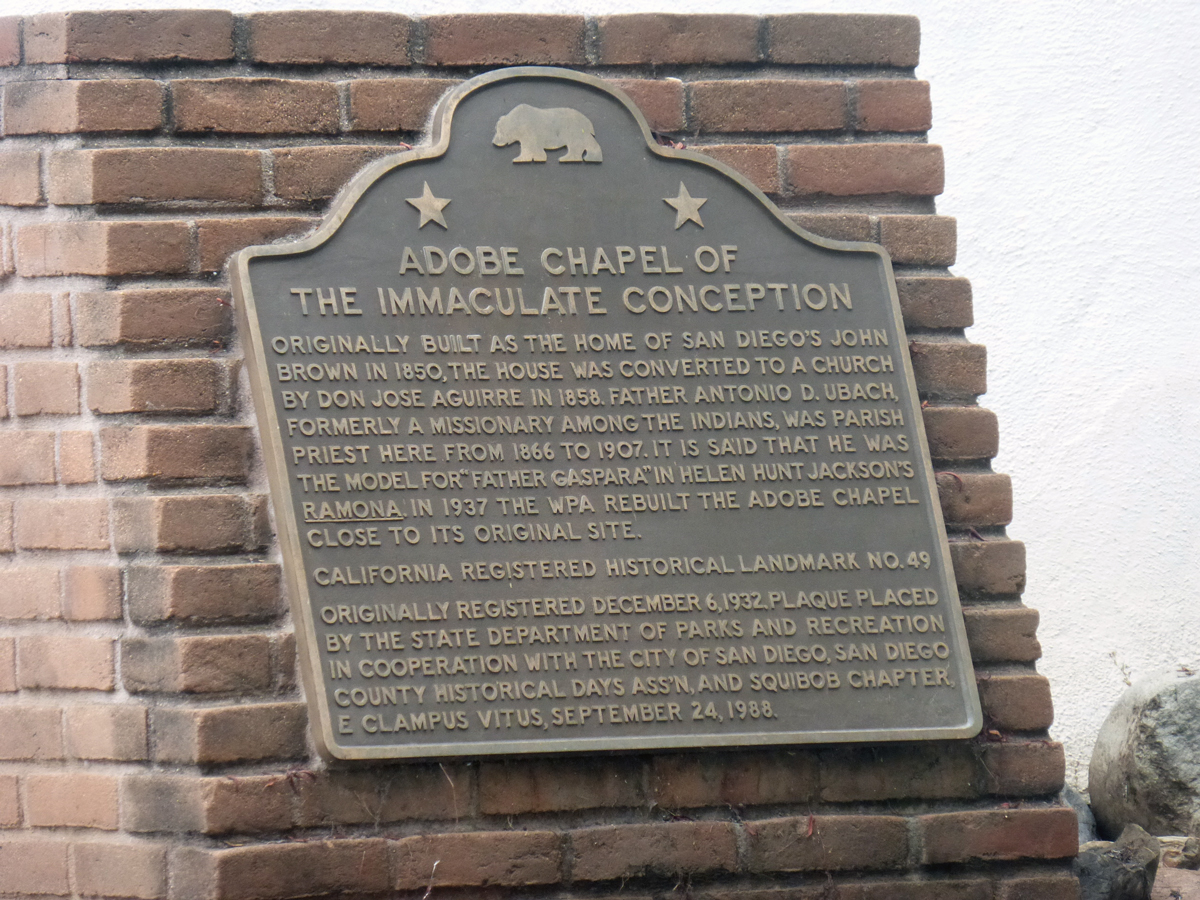
For example, if you visit San Diego County’s first CHL, No. 49—the Adobe Chapel of the Immaculate Conception at 3963 Conde Street in Old Town, you’ll spot a CHL bronze plaque set in a low brick masonry plinth near its side entrance. Dated September 24, 1988, it reads:
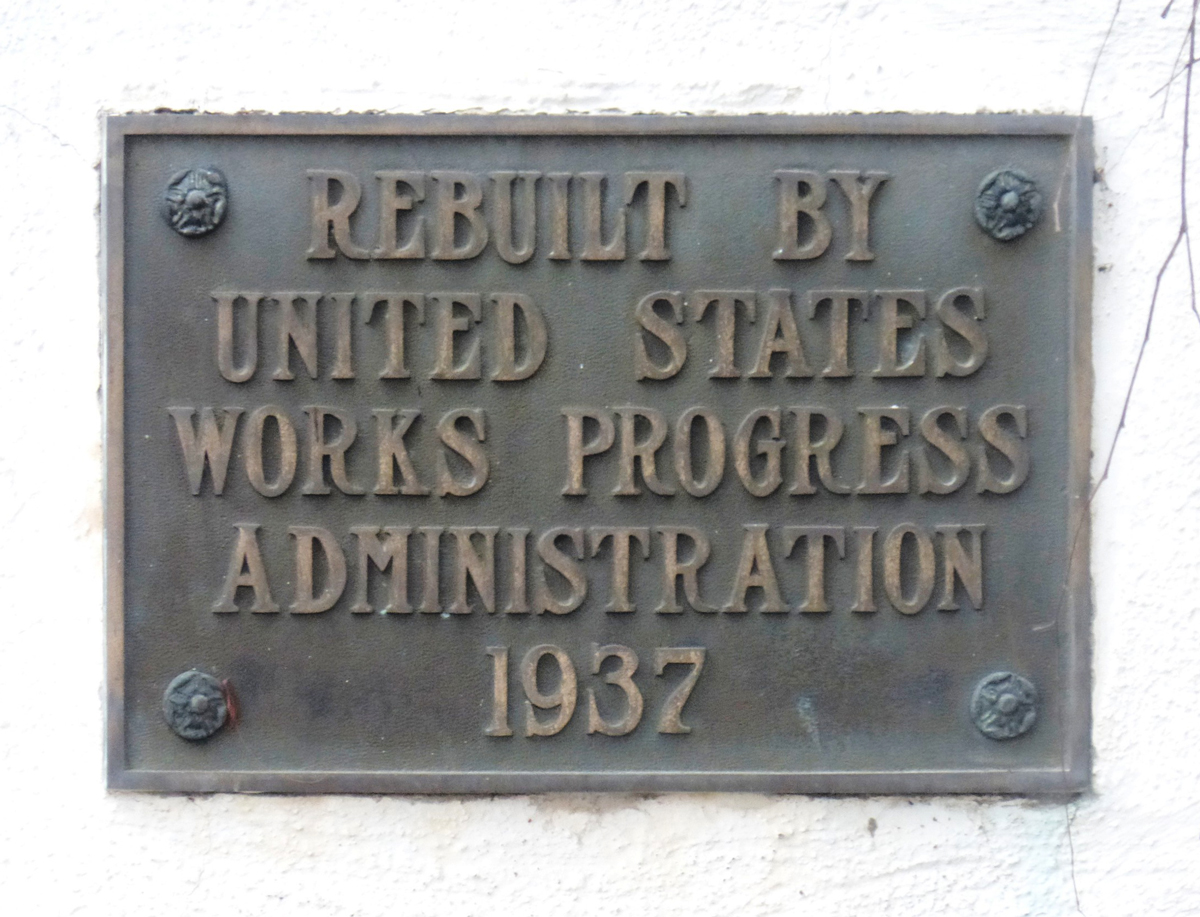
Originally built as the home of San Diego's John Brown in 1850, the house was converted to a church by Don José Aguirre in 1858. Father Antonio D. Ubach, formerly a missionary among the Indians, was parish priest here from 1866 to 1907. It is said that he was the model for “Father Gaspara” in Helen Hunt Jackson's Ramona. In 1937 the WPA rebuilt the adobe chapel close to its original site.
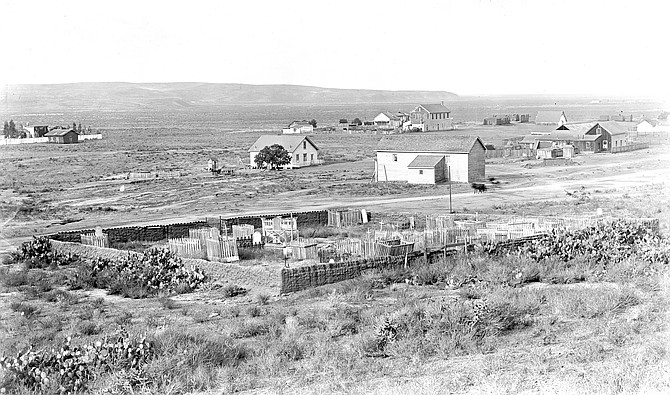
Designated on December 6, 1932, the chapel’s original location was on San Diego Avenue across from the historic El Campo Santo cemetery. In 1937 it was bulldozed during a street realignment, and “rebuilt,” using salvaged elements, on its present site. Although it does contain significant religious art and artifacts from the presidio chapel and Mission San Diego de Alcalá, as well as Don José Aguirre’s remains buried under his prostrate tombstone, the former chapel is still a reconstruction. Therefore, its CHL designation should be reevaluated to reflect that fact.
 |
 |
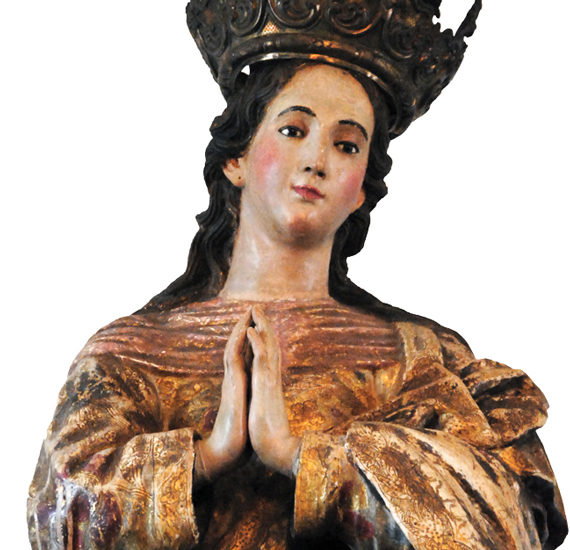 |
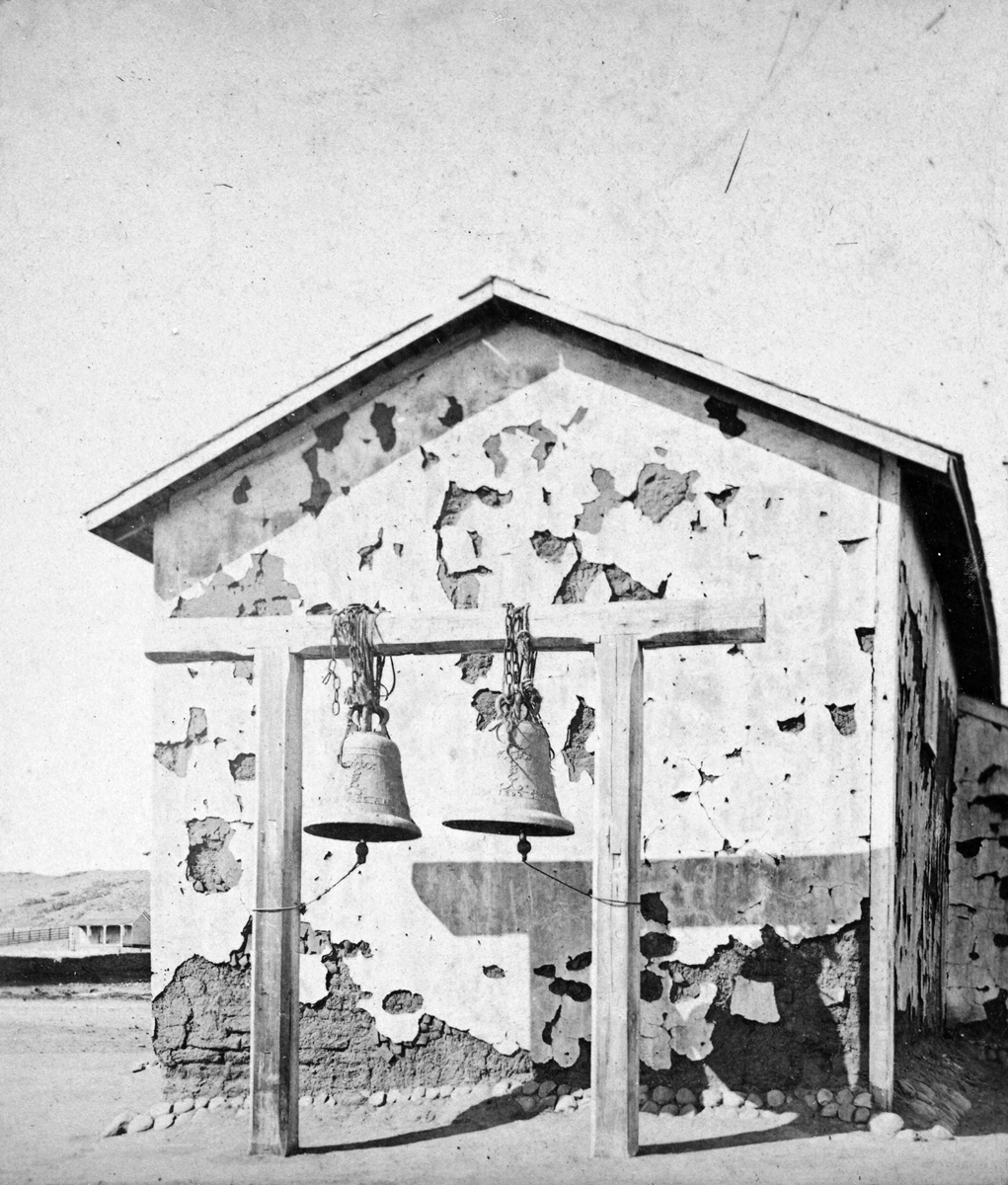
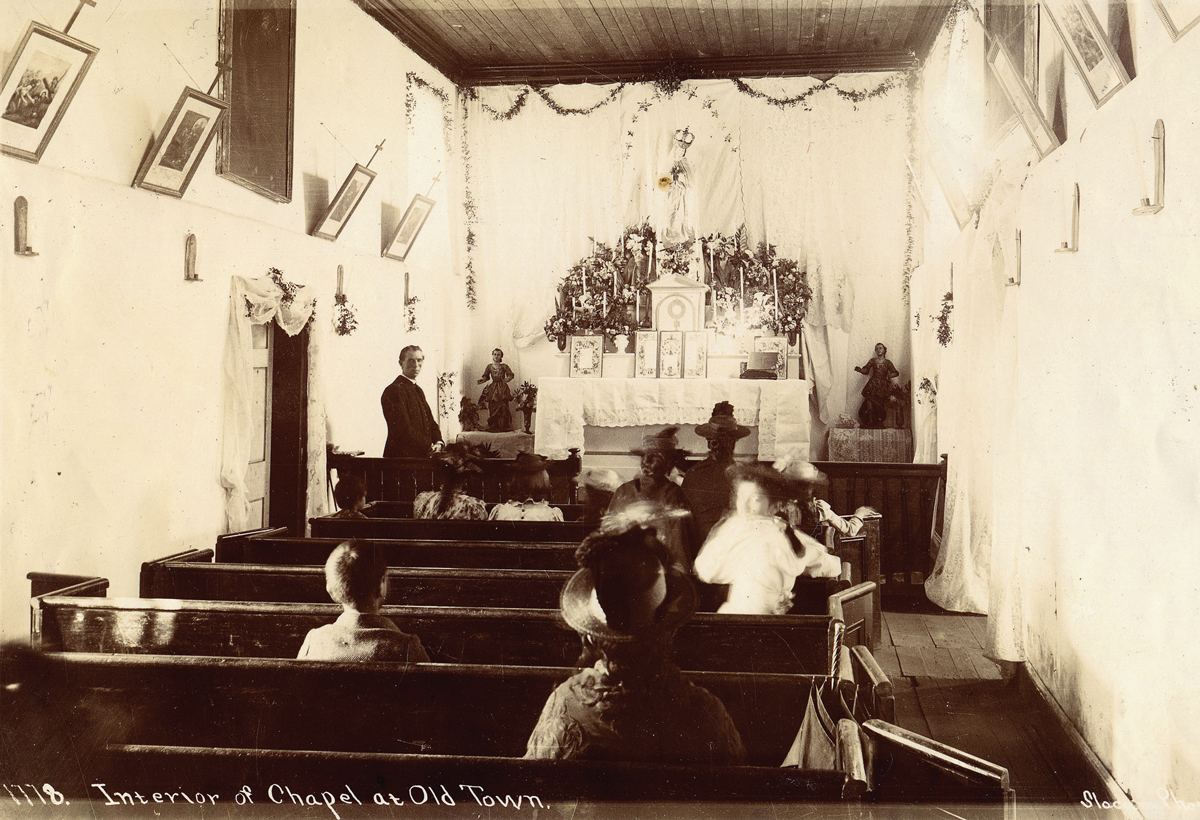
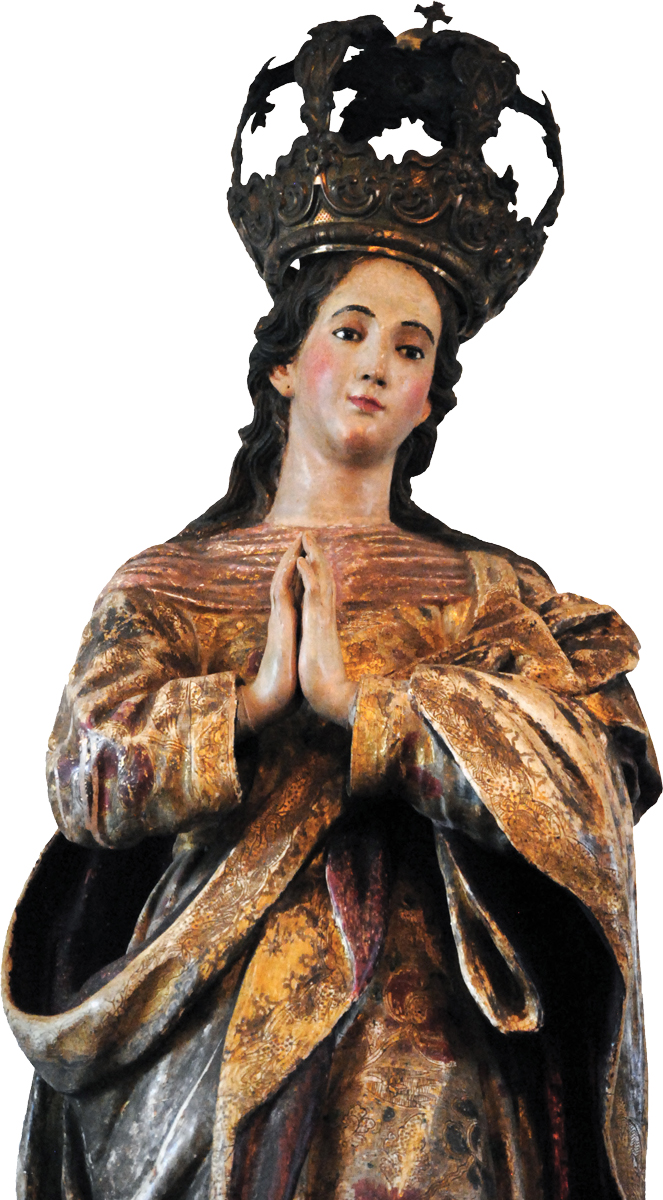
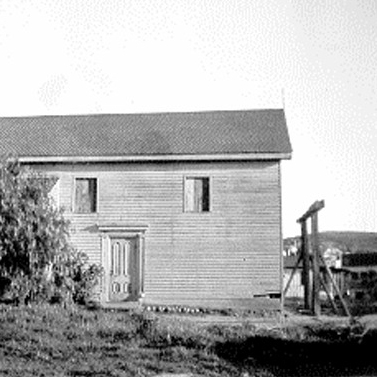
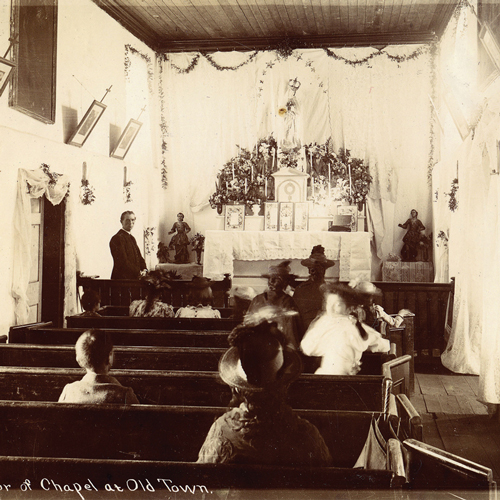
Left Clapboard siding protects the chapel’s adobe walls, post-1870. Notice that the twin hanging mission bells are missing. One was reportedly returned to the reconstructed San Diego mission in 1931. Photo courtesy California State Parks, Office of Historic Preservation Center The interior of the Adobe Chapel of the Immaculate Conception, c. 1890, with the four-foot-tall, crowned statue of Nuestra Señora de la Concepción rising above the altar tabernacle. Both objects were originally sacred elements of the former Spanish presidial chapel as early as 1770. Here, we see paintings of the Last Judgement, and the Stations of the Cross, as well as statues of twin archangels, all from the mission or the presidio. Courtesy Bruce Coons Collection Right The 18th-century wood and gesso statue of the Nuestra Señora de la Concepción, San Diego’s Roman Catholic patroness, was moved from the former presidio chapel into a makeshift chapel in the nearby Casa de Estudillo. Installed in the Adobe Chapel in 1858, the statue remained there until 1919, when it was relocated into the new Church of the Immaculate Conception on the corner of San Diego Avenue and Twiggs Street. Sometime after 1945, it was moved again to the Mission San Luis Rey Museum, but returned on short-term loan to the Adobe Chapel in 2019, at SOHO’s request, to celebrate the city’s 250th year. |
The former chapel is also significant as one of several local examples of state-wide historical preservation projects conducted by the federal Works Progress Administration (WPA) during the Great Depression. These include erecting protective adobe perimeter walls around the chapel, as well as the forementioned El Campo Santo and the Calvary Roman Catholic cemetery about a mile away in what is now Mission Hills Pioneer Park.
"Hiding in Plain Sight" is the first in a series of articles that will highlight San Diego County CHLs. I will critique at least one CHL plaque per column to evaluate its historical accuracy to the site, and, perhaps, to contribute to a better understanding of the times and motivations of those who nominated it.
In the January-February 2026 issue of Our Heritage eNews, I will single out a legendary local nomination based on second-hand hearsay and the ongoing mistranslation of an 18th-century Spanish nautical term. I plan on resubmitting an updated version of that CHL’s nomination to the Office of Historic Preservation based on new information I’ve uncovered.
BACK to table of contents
Read the rest of the ongoing Hiding in Plain Sight Series.
|
2026
2025
2024
2023
2022
2021
2020
2019
2018
2017
2016
2015
|