|
Warner–Carrillo Ranch House: Preserving a Rare Window into California’s Past
September/October 2026
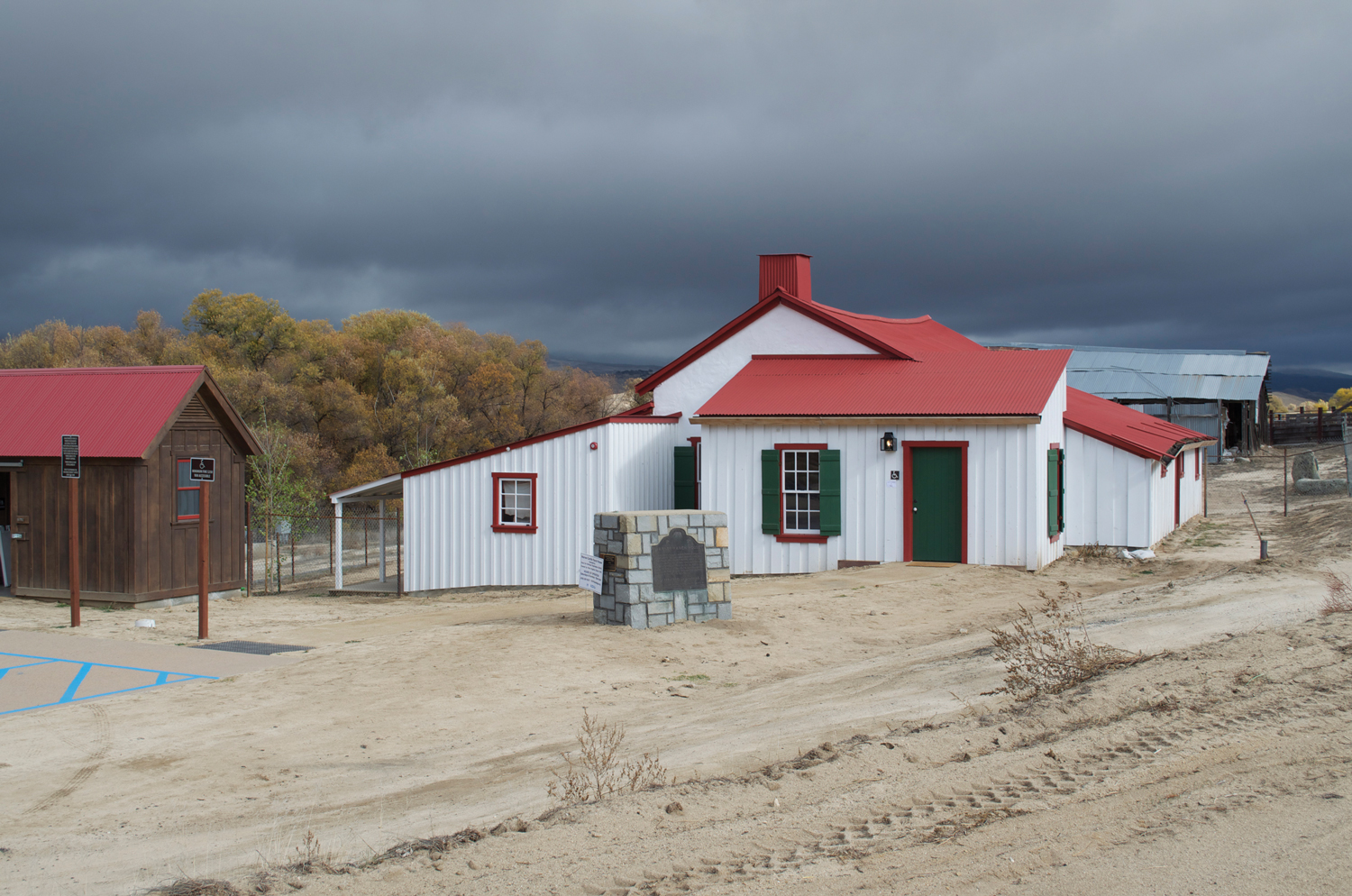
Nestled within more than 40,000 acres of protected open space owned by the Vista Irrigation District (VID), the Warner–Carrillo Ranch House (1857) stands as one of San Diego County’s most significant historic places. Its extraordinary setting is inseparable from its story.
Because the VID has protected these lands for generations as part of the San Luis Rey River watershed, the landscape remains remarkably intact, offering visitors a rare opportunity to experience a place that has changed little since the era of early cattle ranching and westward expansion.
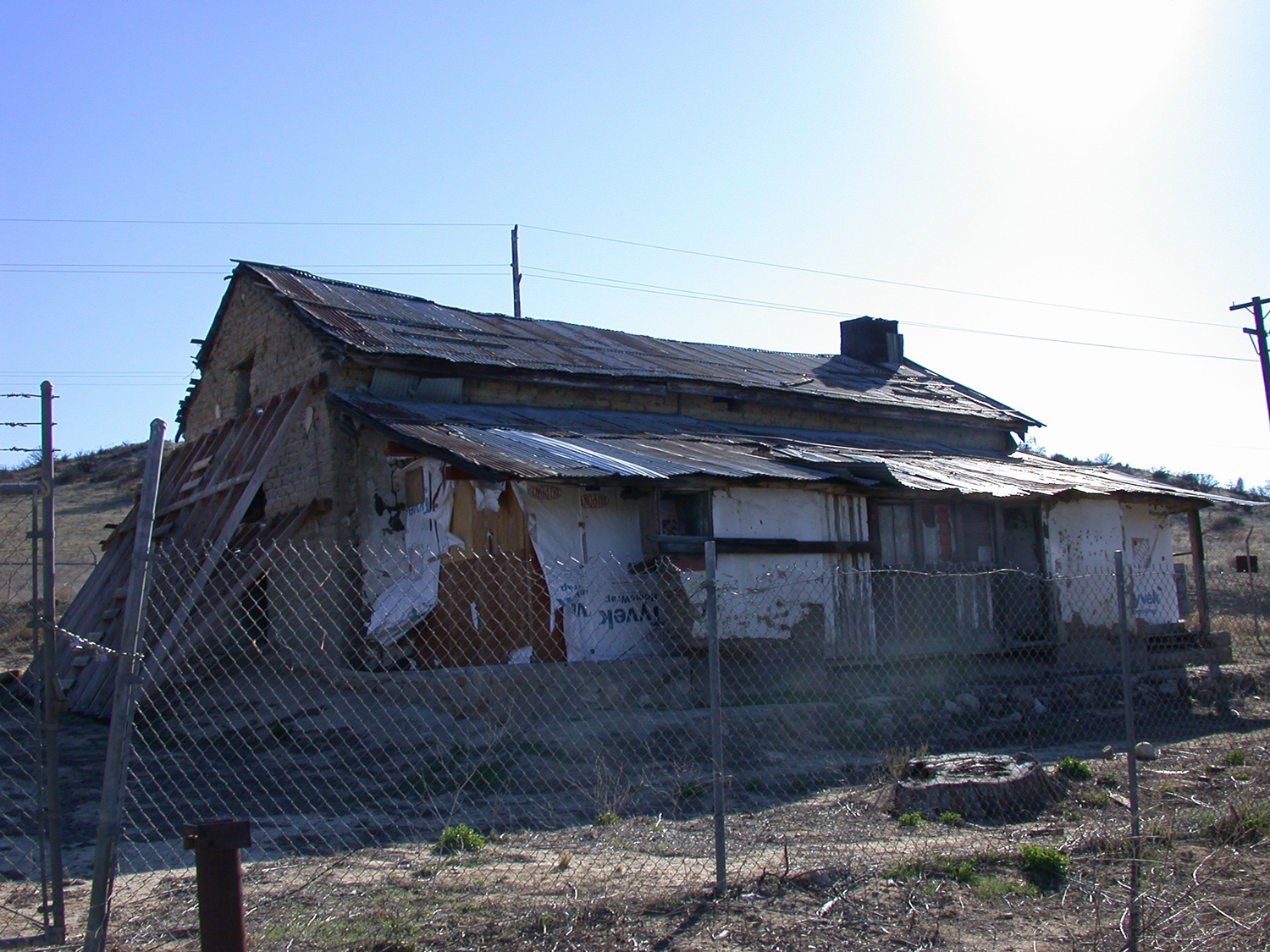
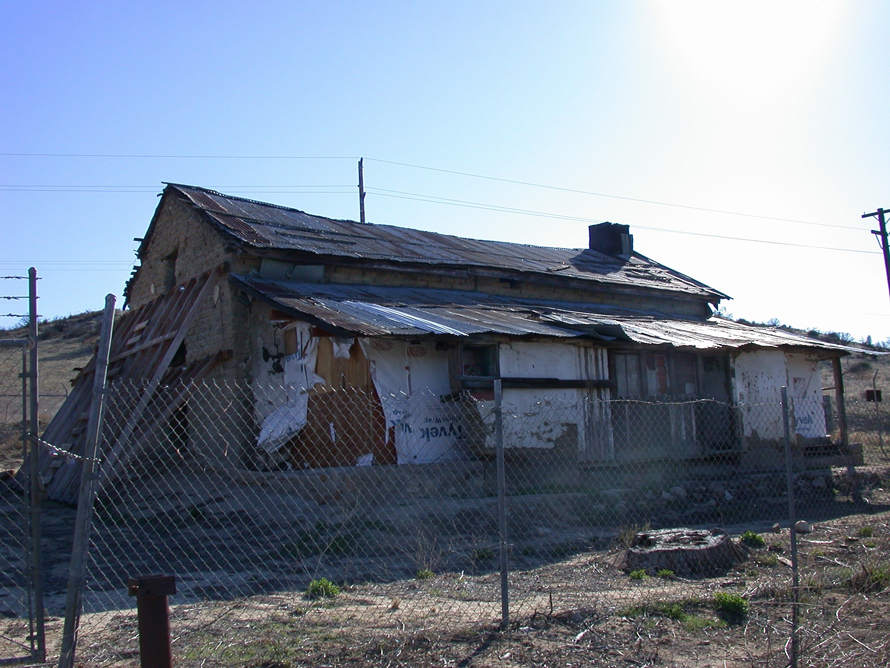 By 2009, the important site was in danger of total ruin. Photo by Bruce Coons |
Long before the arrival of Europeans, this mesa was home to the Cupeño people, whose presence is reflected in archaeological discoveries preserved and interpreted at the ranch house today. Later, the site became part of the historic Warner’s Ranch, a place where Native American, Californio, and American histories intersect.
The survival of the Carrillo-built ranch house, however, was never guaranteed. In 2000, SOHO placed the adobe on our Most Endangered List, identifying it as “the most important unprotected historic site in San Diego County.” The designation helped bring renewed attention to the deteriorating landmark. In 2001, an anonymous donor came forward specifically in response to SOHO's rallying cry, and the VID began a dedicated fundraising effort to save the historic adobe.
Through that donor's generous gift combined with VID funding, state and county grants, and a California Council for the Humanities Endowment (CCHE) grant matched by the VID, the ranch house was stabilized and restored. The effort became a model of collaboration among public agencies, preservation organizations, historians, architects, archaeologists, craftsmen, and community supporters.
Today, SOHO operates the Warner–Carrillo Ranch House Museum for the VID as a condition of the CCHE grant and we continue our comprehensive stewardship of this landmark. We work on restoring and repairing the adobe, furnishing the historic interiors, and interpreting the many layers of history represented at the site.
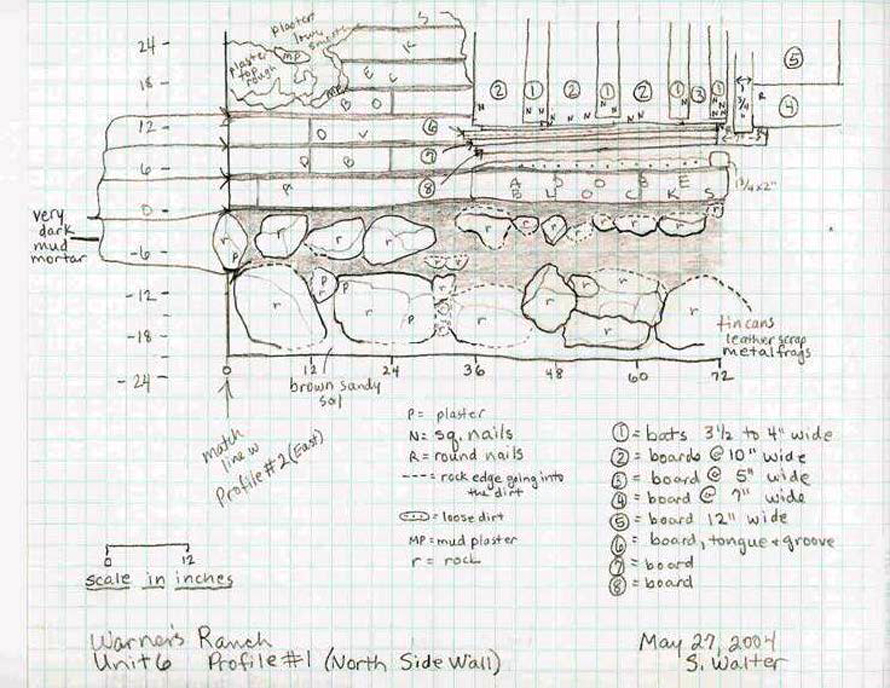
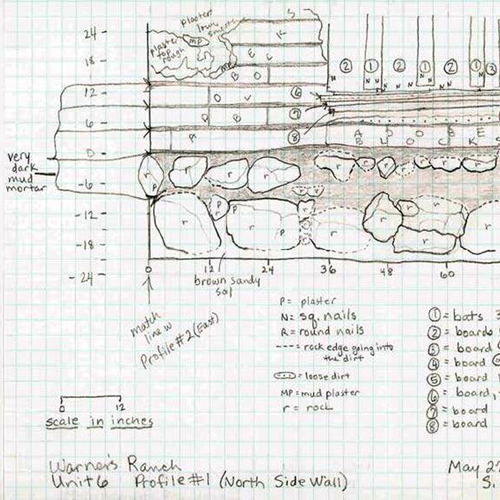
Beginning in 2004, archaeologists Stephen R. Van Wormer and Susan D. Walter conducted excavations that revealed important information about the construction and evolution of the adobe. Their findings, which became an essential guide for the restoration, were documented in the 436-page report Two Forks in the Road: Test Excavations of the Ranch House at Warner’s Ranch and Site of Jonathan T. Warner’s House and Store, which is available on the SOHO website.
The research confirmed that the adobe was constructed in three distinct phases. Differences in the stone foundations, building materials, and construction methods revealed how the ranch house expanded over time. Archaeological discoveries also uncovered artifacts associated with the indigenous Cupeño people, whose history on this land predates the ranch house by centuries.
 |
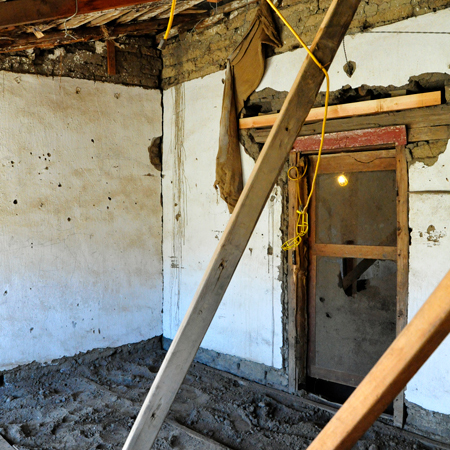 |
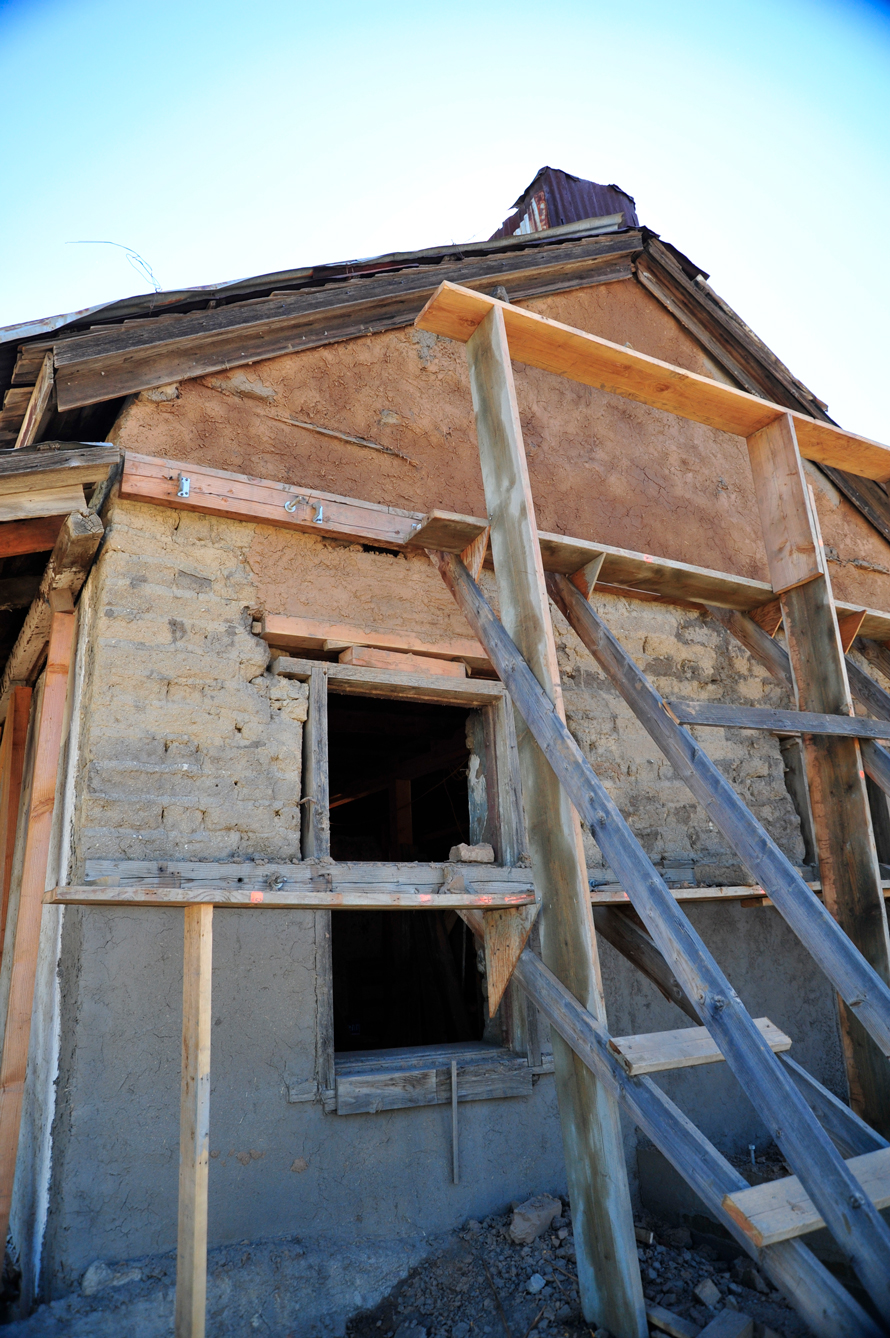
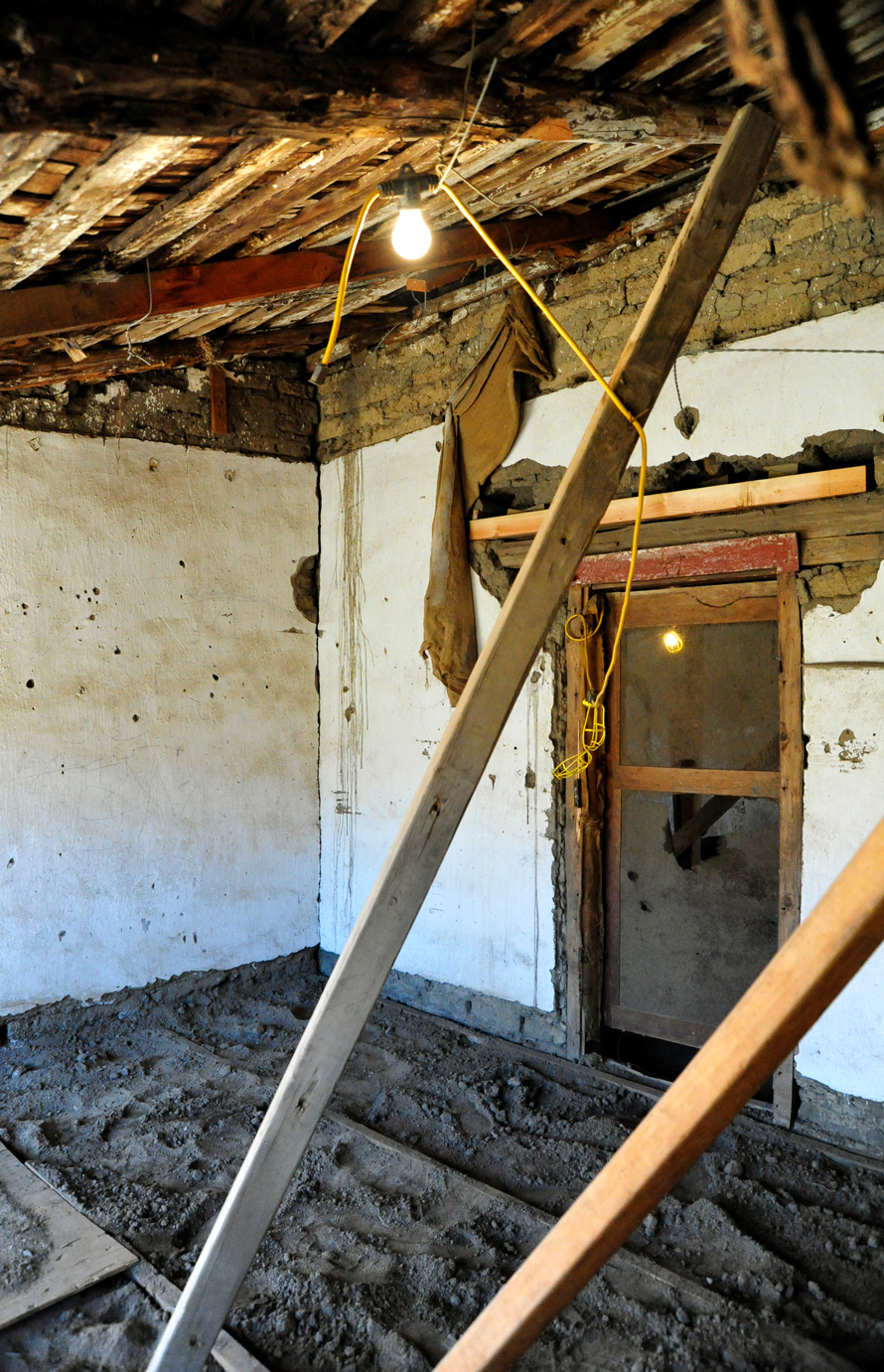
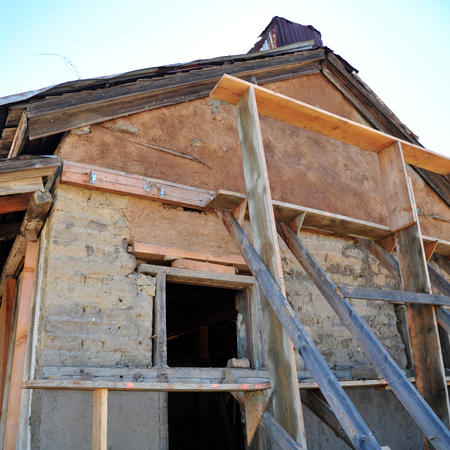
During restoration, October 12, 2010. Photos by Sandé Lollis |
 |
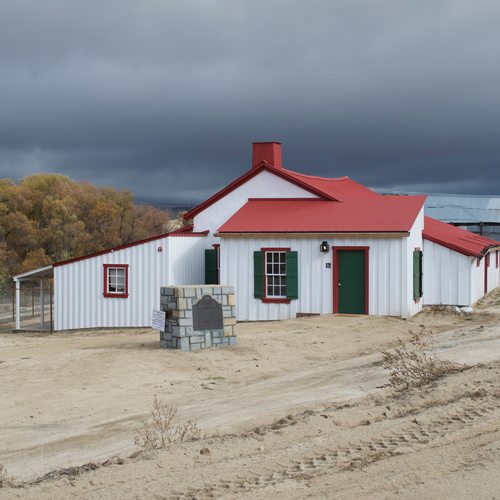 |
Left Unit 04-6 south sidewall profile sketch of the stone foundation and adobe block under the wooden infill on the north wall of Room 107. Right The ranch house in December 2012. Photo by Bruce Coons |
The restoration of the Warner–Carrillo Ranch House required a careful balance between preservation, research, and craftsmanship. Bruce Coons, SOHO's executive director and historic adobe expert, oversaw the project, while Ione R. Stiegler of IS Architecture, known for their expertise in adobe structures, led the architectural work. The project followed the Secretary of the Interior’s Standards for Restoration, the California Historical Building Code, and accessibility requirements, while preserving as much original historic fabric as possible.
Despite decades of deterioration, the adobe retained important original features, including the fireplace mantel, historic woodwork, vigas (wooden ceiling beams), doors, walls, and interior finishes. Missing adobe walls, wood-framed elements, and roof features were carefully reconstructed using historically appropriate methods and materials.
The result is a restoration that allows visitors to experience three overlapping chapters of California history: the Native American, Californio, and American periods. Each room tells part of the story of the people who shaped this remarkable place, those who lived and worked there, and those who traveled through.
The Warner–Carrillo Ranch House has received more than a dozen major preservation awards, including the Governor’s Historic Preservation Award, recognizing the collective efforts of everyone involved.
 |
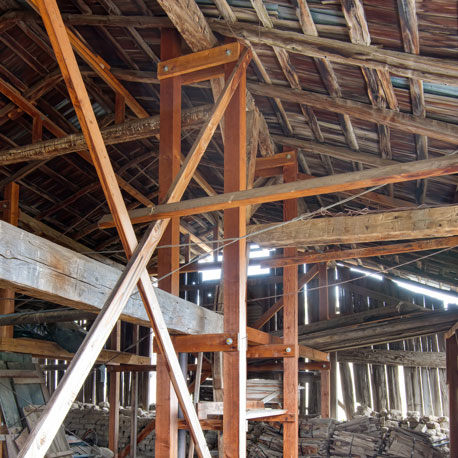 |
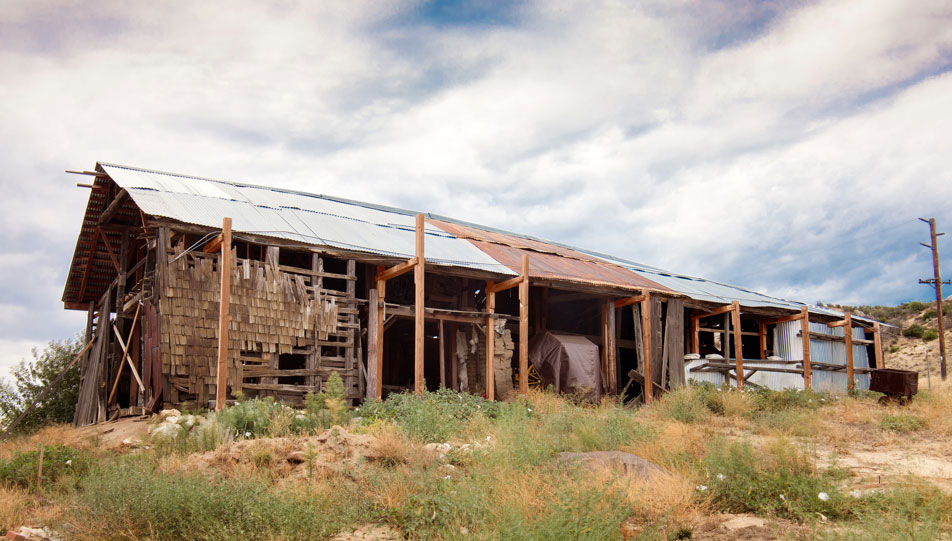
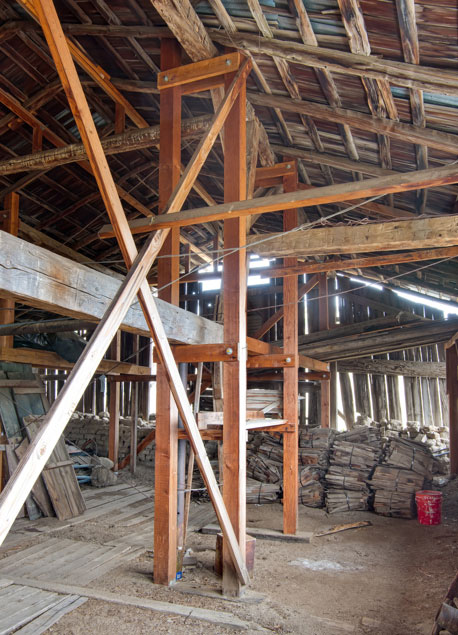
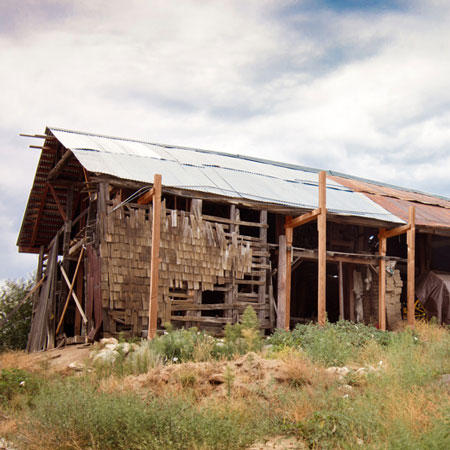
Left The barn underwent structural stabilization in 2009, preventing further deterioration. The Vista Irrigation District continues to keep the roof and side walls protected and covered with metal sheeting. |
But we still need help to complete this important project. As the work continues, SOHO is committed to completing the restoration of the site, including the conservation, repair, and full restoration of the historic barn, as well as the continued furnishing and interpretation of the museum.
The Warner–Carrillo Ranch House offers something increasingly rare, a chance to step into a landscape where history, culture, and nature remain connected. Your donation helps ensure that future generations can experience this extraordinary place.
SOHO is actively seeking funds to complete this extremely important project. In addition to the historic adobe, the primary barn, obviously, is in urgent need of restoration. Donations are requested to fully restore and save this rare structure. Please support the Warner–Carrillo Ranch House restoration fund and help preserve this irreplaceable piece of California history.
BACK to table of contents
|
2026
2025
2024
2023
2022
2021
2020
2019
2018
2017
2016
2015
|