|
From Sheep Camps to Fifth-Generation Cowboys: Warner–Carrillo Ranch
July/August 2026
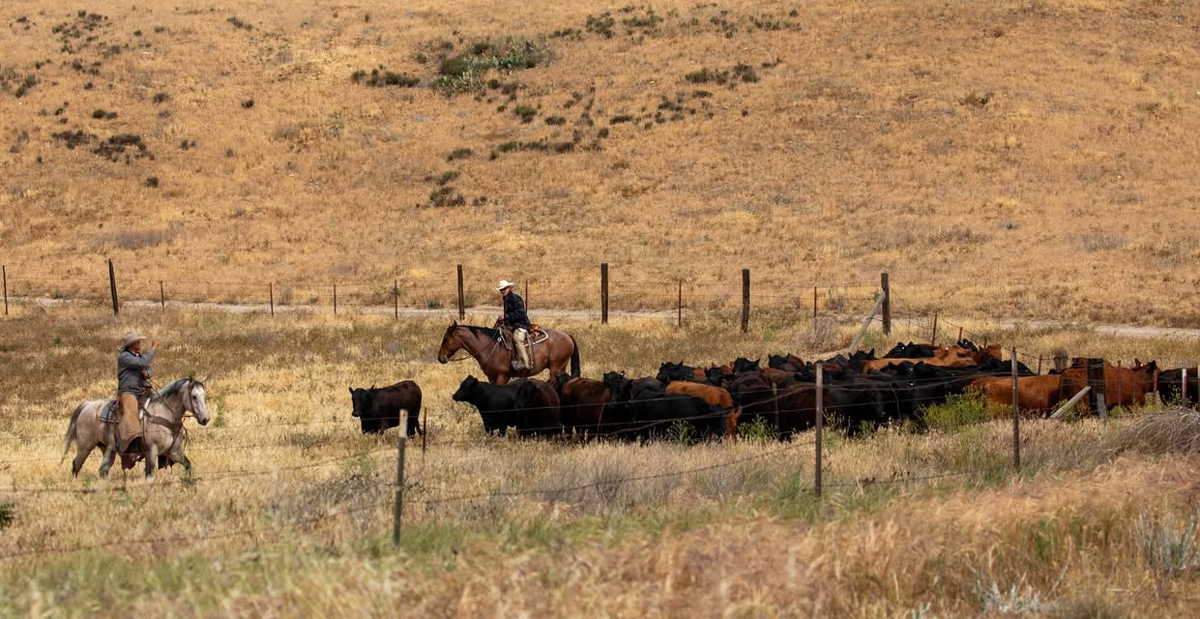
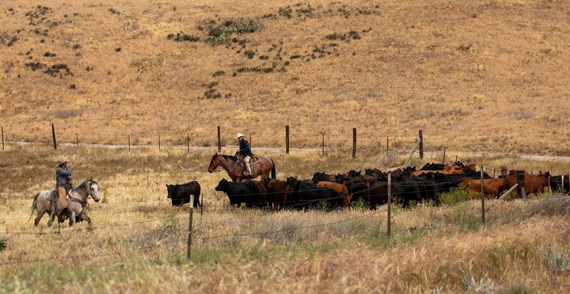 Photo by Chet Kalinowska
Across the rolling grasslands of the San José Valley, cattle still roam across the same historic landscape that generations of ranchers, cowboys, and stockmen worked more than a century ago. Today, the lands surrounding the historic Warner–Carrillo Ranch House remain remarkably unchanged—a living cultural landscape where ranching traditions continue uninterrupted. But this revered, iconic picture could be forever marred if SDG&E’s proposed Golden Pacific Powerlink transmission project is approved.
The story of this enduring cattle country stretches back to 1869, when former California governor and banker John G. Downey purchased portions of the original ranch lands from Vicenta Carrillo and later from John Warner. Downey transformed the property into a major sheep operation and hired Charles Ayers, an expert in fleece production, to oversee the ranch. Ayers developed an innovative technique resulting in exceptionally high-quality wool by bathing sheep in nearby soda springs before shearing them. Charles, his wife Jesusa, and their growing family moved into the 1857 adobe ranch house, following the Carrillo family.
By 1880, Downey had hired Scottish-born rancher Andrew Linton to supervise operations from the ranch house. Linton managed nearly 30,000 sheep, horses, and cattle while also serving as postmaster for the newly established Agua Caliente branch.
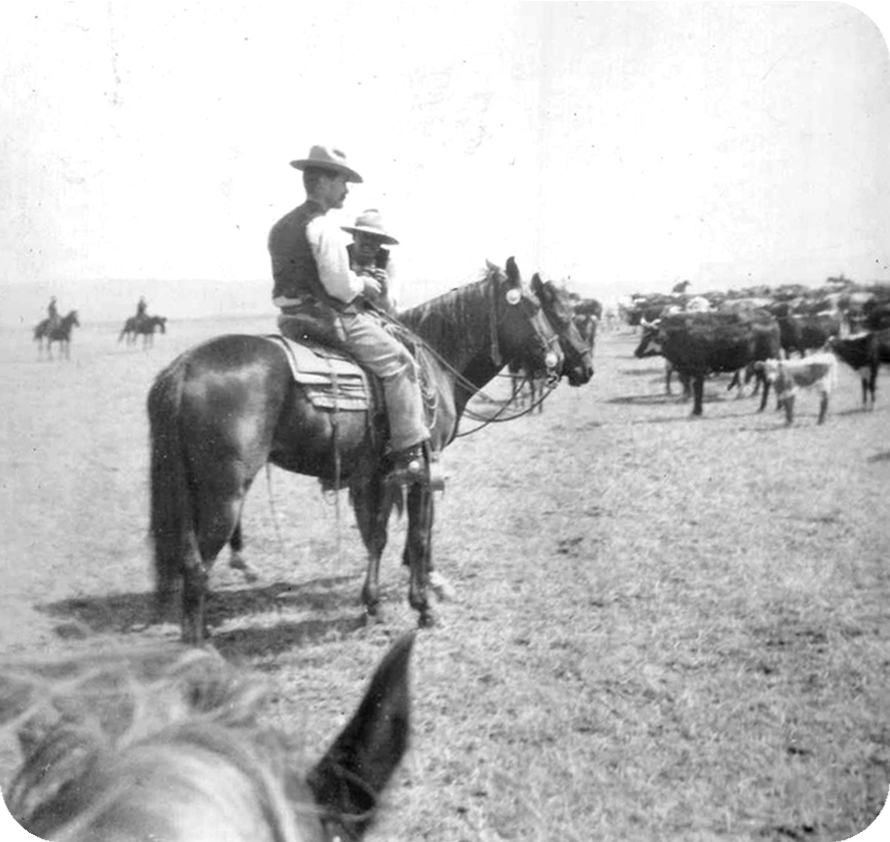
A major transition came in 1888, when Downey leased the vast 77-square-mile valley to cattleman Walter L. Vail of Arizona’s Empire Ranch. Vail and his partner C.W. Gates expanded the operation into one of California’s largest cattle enterprises, eventually encompassing some 87,000 acres, from Camp Pendleton to Murrieta and Vail Lake.
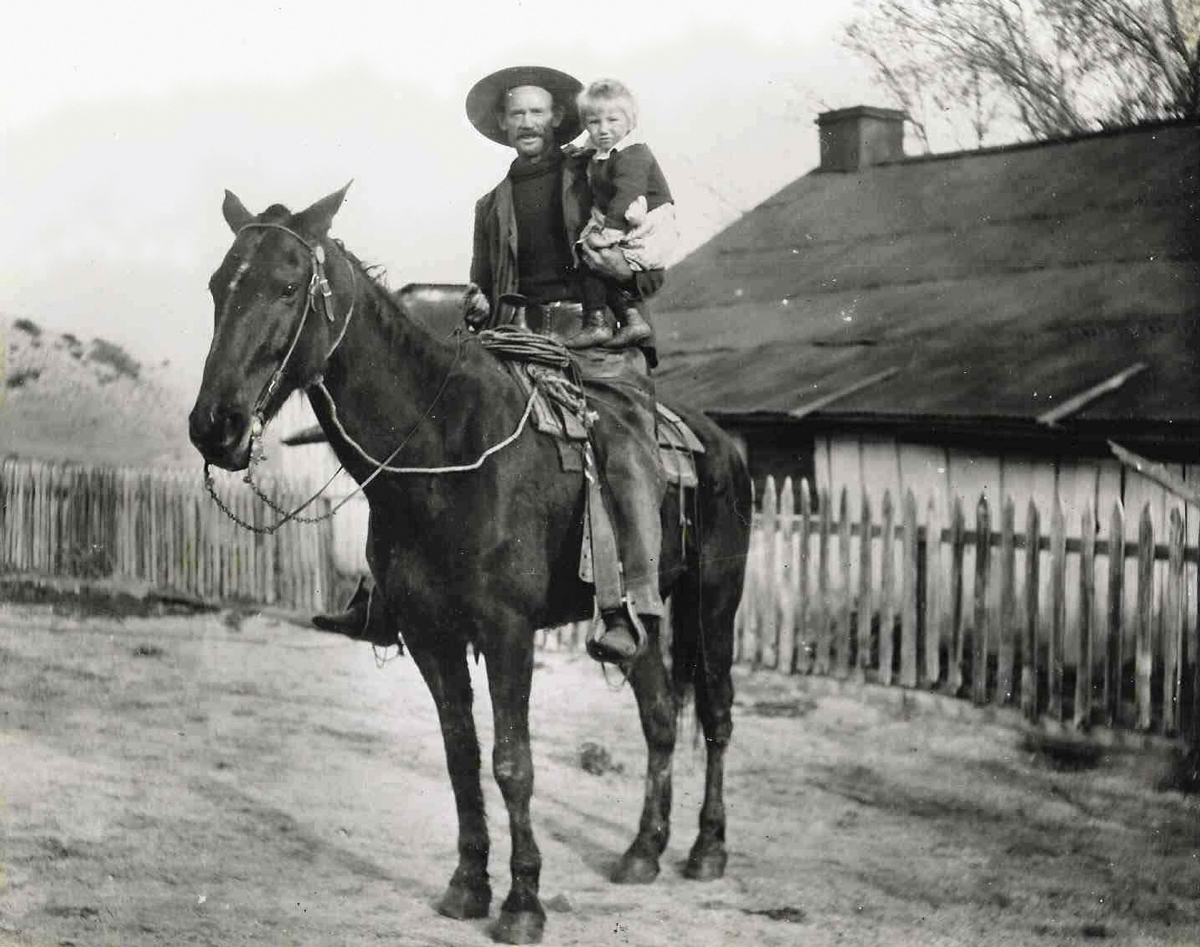
The ranch house itself became the center of daily ranch life. Early Vail cowboys, including William Carpenter, James Knight, and James Walsh, were single men bunking on the range. Then, in 1894, Samuel B. Taylor and his wife Mary Helm Taylor moved into the house to manage the Vail cattle operation. Three of their eight children were born there, firmly rooting the Taylor family in the valley’s ranching history.
Remarkably, this legacy continues today. Drew Smith, great-great-grandson of Samuel and Mary Taylor, now serves as ranch foreman on the same historic cattle lands. Living nearby in a 1930s ranch home originally built for the bunkhouse cook and her daughter, Smith represents the fifth generation of his family to work cattle on this same soil, a rare and powerful continuity in California history.
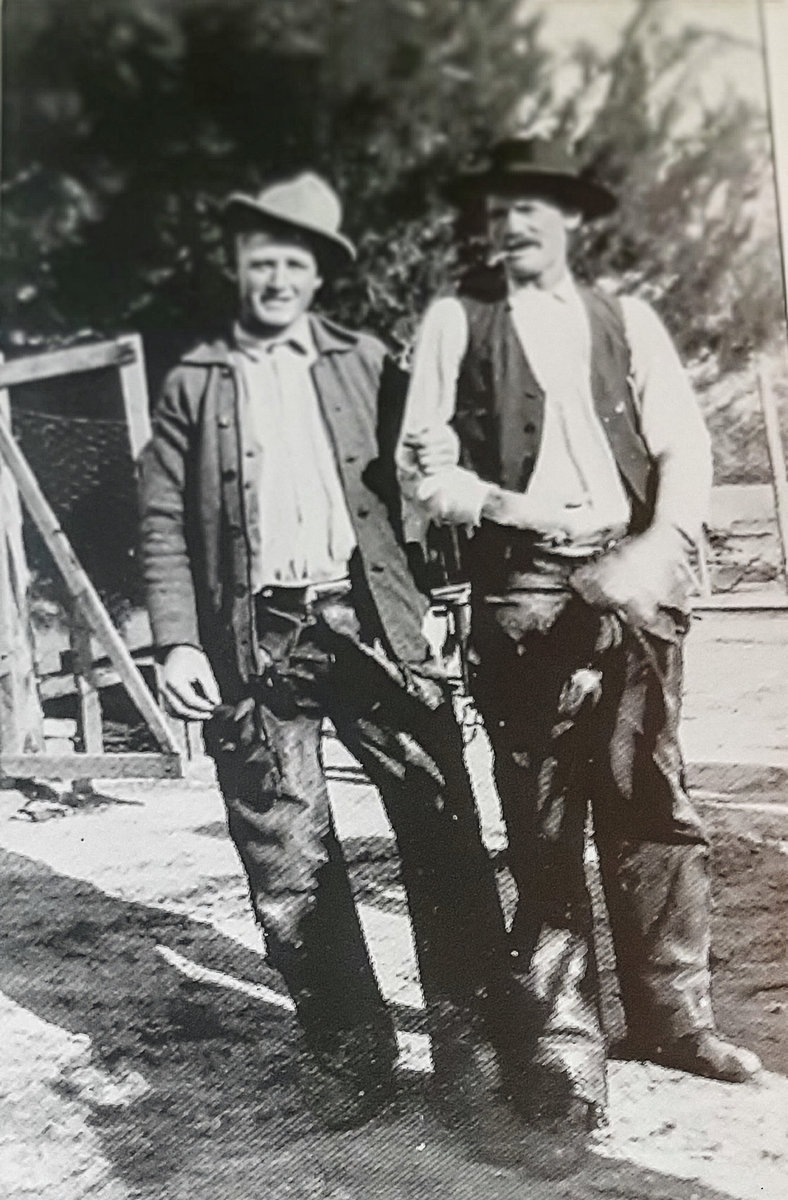
In 1911, long before Smith came to work, George Sawday secured the lease on the Warner–Carrillo Ranch, beginning nearly five decades of stewardship by the Sawday family. Born in nearby Ranchita, foreman Ed Grand later managed the ranch house as both headquarters and boarding facility for working cowboys. During restoration and archaeological work years later, cowboy Charley Ponchetti’s wallet was discovered beneath the floorboards, still containing snapshots from ranch life—small but vivid reminders of the many men who lived and worked there year-round.
Even after management shifted in the 1930s to Hans Starr, Sawday’s son-in-law, cowboys continued working out of the ranch house until 1960, when the property passed to its current owner, the Vista Irrigation District.
Today, the ranch scene remains strikingly familiar. Cattle still graze beneath the wide skies of Warner Springs, continuing a ranching tradition more than 150 years old. Recent photographs captured by local photographer Chet Kalinowska document this enduring landscape and the people who continue to care for it, including Drew Smith, carrying forward a way of life handed down through decades.
The exemplary story of Warner–Carrillo Ranch is one of historic buildings and preserved landscapes, and of families remaining connected across generations in one of Southern California’s most significant historic ranching valleys. We must stand firmly united in protecting this deeply rooted cross section of California’s cultural history and stirring native landscape from unnecessary intrusions.
Information excerpted in part from “The Ranch House at Warner’s” by Kathleen Flanigan, published in the Journal of San Diego History, Fall 1996, Volume 42, Number 4; and from 250,000 Emigrants, the Overland Mail, and One Extraordinary Latina: The Warner-Carrillo Ranch House.
BACK to table of contents
|
2026
2025
2024
2023
2022
2021
2020
2019
2018
2017
2016
2015
|