|
Racing the Mail Across a Continent: Southern Trails
January/February 2026
The Southern Trails Chapter of Oregon-California Trails Association is holding their 2026 Symposium in Temecula February 2-5, and will include a tour of the Warner-Carrillo Ranch House Museum in San Diego's backcountry.
In 1857, entrepreneur John Warren Butterfield secured a landmark federal contract: six years at $600,000 per year to carry U.S. mail twice weekly between St. Louis and San Francisco, with each run to take just 25 days—an astonishing feat for the time.
This became the first regularly scheduled transcontinental mail service in U.S. history—and the longest stage line in the world, stretching some 2,800 miles. More than 1,000 of those miles crossed some of the harshest terrain on the continent: the Chihuahua, Sonora, and Colorado deserts.
Butterfield’s route followed what was known as the Missouri Trail, the most southerly and the only truly all-weather overland route to California. While northern trails were often closed by snow, this southern passage remained open year-round, though travelers paid dearly, enduring summer heat and scarce water.
The trail itself was no sudden invention. It evolved from ancient Native American trade routes, later widened by fur trappers, mountain men, soldiers, and finally waves of emigrants. Known variously as the Southern Emigrant Trail, Gila Trail, Kearny Trail, and Butterfield Stage Trail, it became one of the principal arteries of westward migration.
 |
 |
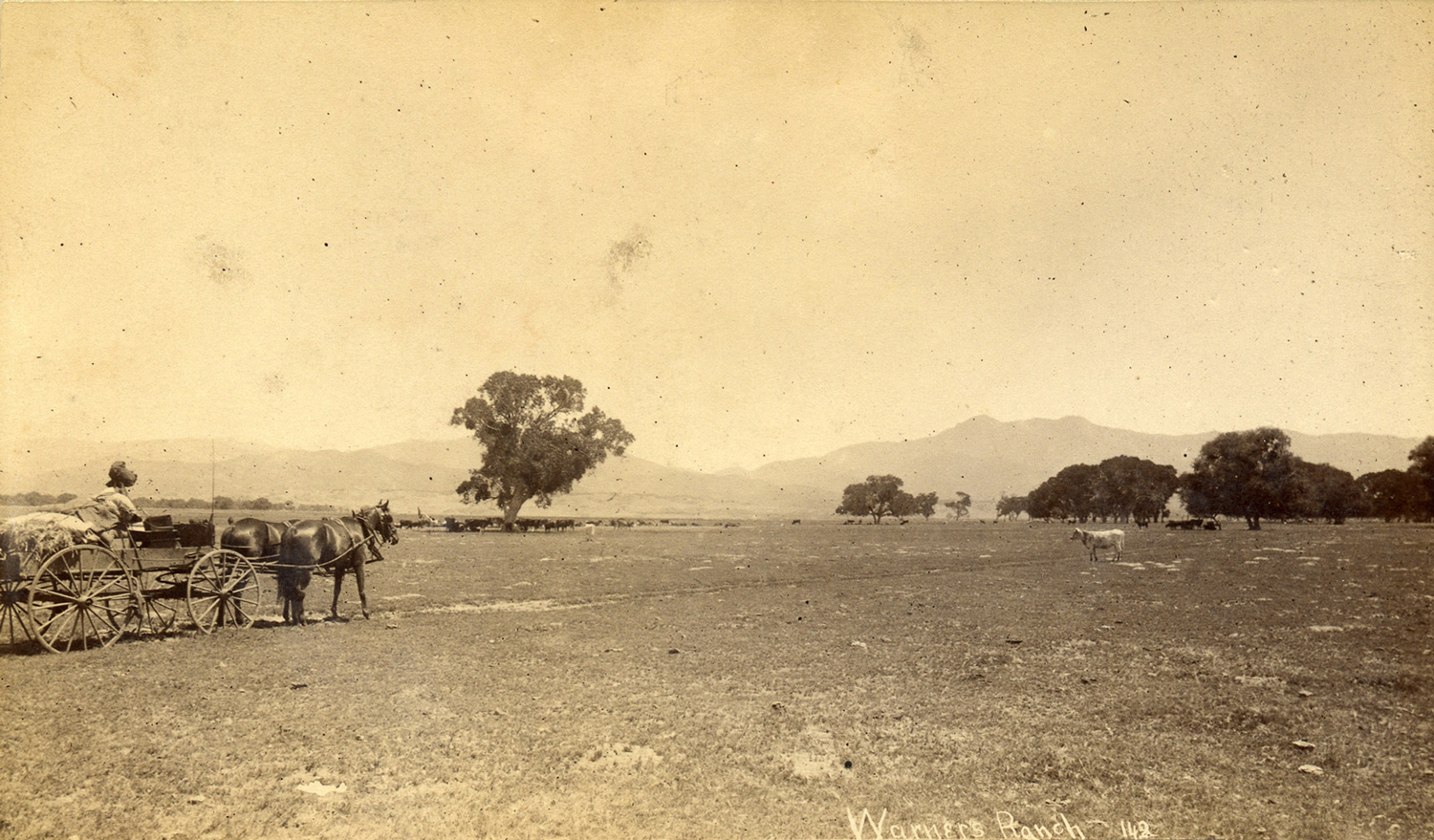
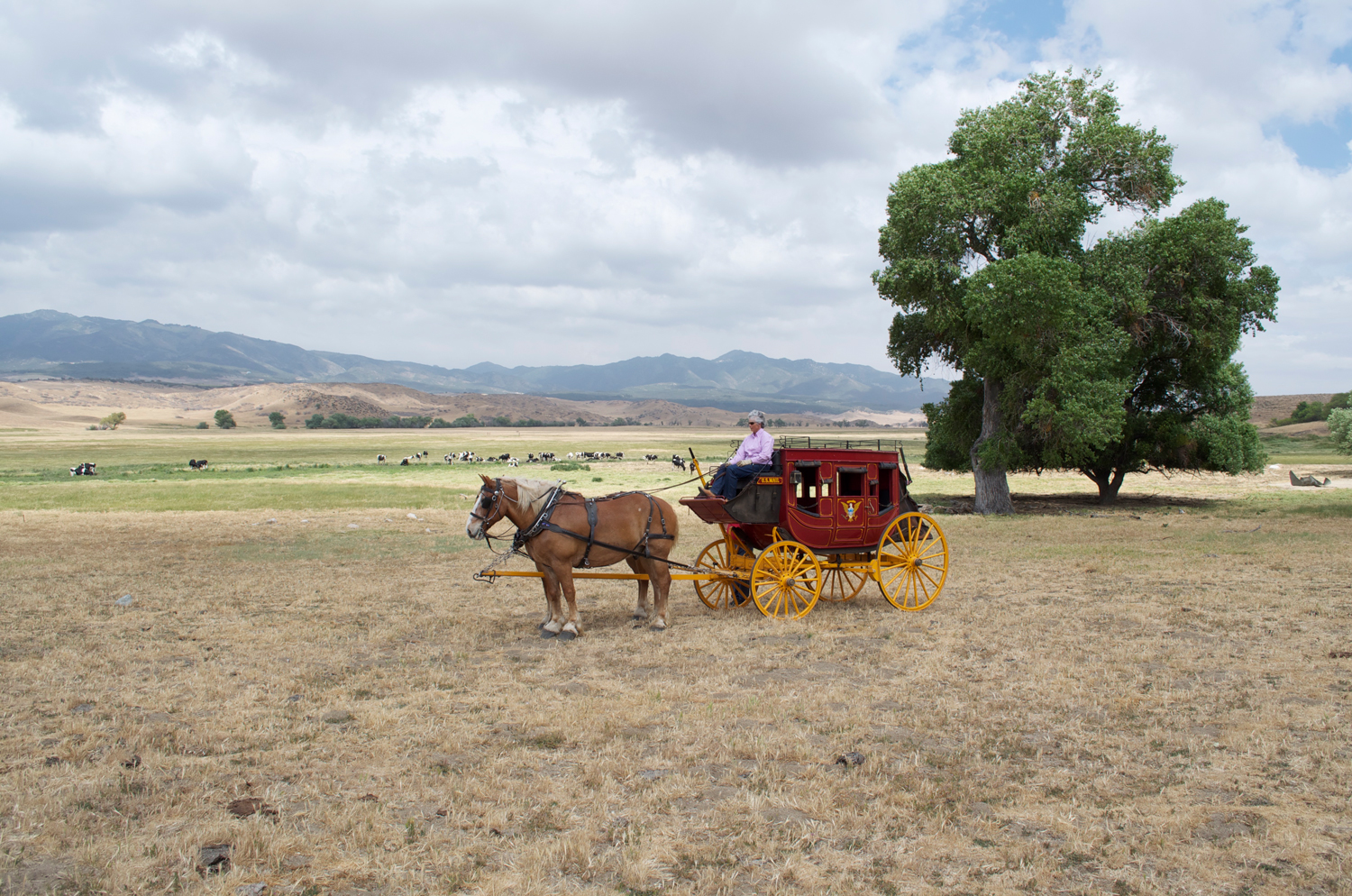
The historic setting of the Warner-Carrillo Ranch House has changed little since the era of westward migration, offering a rare and powerful glimpse into San Diego's past. |
Between 1841 and 1869, nearly three decades of rugged, dust-choking movement, on horseback, by wagon, or stagecoach reshaped the nation. Families set out from the eastern United States for a host of reasons—religious freedom, land, opportunity, and the Gold Rush of 1849. Most traveled overland, enduring journeys of three to six months across nearly 2,000 miles.
For many emigrants, one place stood out with almost mythic importance: the Warner-Carrillo Ranch House. Rising from a well-watered valley after oceans of desert, the house was described again and again in settlers’ diaries as their first glimpse of relief, the first fresh water after the desert, and the first concrete sign of promise.
From 1858 until the outbreak of the Civil War in 1861, the ranch house served as a Butterfield Overland Mail stage stop. Thousands passed through its doors: gold seekers, soldiers, adventurers, and families chasing a new life. Remarkably, the landscape surrounding the house has changed very little since those days, offering a rare chance to experience the vast, open West much as those travelers did.
Today, standing where stagecoaches once stopped and generations crossed paths, the adobe ranch house itself retains a high degree of architectural integrity, including original vigas (wood ceiling beams) and woodwork. It stands as a tangible witness to sweeping chapters of American history from Mexican-American cultural exchange, frontier settlement, the Gold Rush, and the rise of cattle ranching that carried into the 20th century and continues to the present.
Of course, long before wagons and stagecoaches, Native American communities, including the Kumeyaay, Cahuilla, Diegueño, and Luiseño, used these same routes to connect desert regions with fertile coastal valleys. Their trails are still visible today, etched into the land. Kearny’s Army of the West, the Mormon Battalion, Butterfield’s mail stages, and hundreds of thousands of emigrants later took advantage of these indigenous trails.
The Butterfield Overland Mail route operated for only four years, from 1857 to 1861, but its impact was enormous. It accelerated communication, encouraged settlement, and helped bind California more tightly to the rest of the nation. For its pivotal role in that story, the Warner-Carrillo Ranch House in 1962 was designated a National Historic Landmark, the highest designation our country affords a historic site.
The Southern Trails Chapter of OCTA (Oregon-California Trails Association) will tour the Warner-Carrillo Ranch House Museum on February 4, 2026. Learn more about the symposium and tickets online.
And, learn more about the trail's history in SOHO's 2021 online exhibit: 250,000 Emigrants, the Overland Mail, and One Extraordinary Latina: The Warner-Carrillo Ranch House
The Ranch House is open Saturdays and Sundays from 12-4pm. During those hours, head docent and historian Kathryn Fletcher provides a memorable guided tour.
BACK to table of contents
|
2026
2025
2024
2023
2022
2021
2020
2019
2018
2017
2016
2015
|